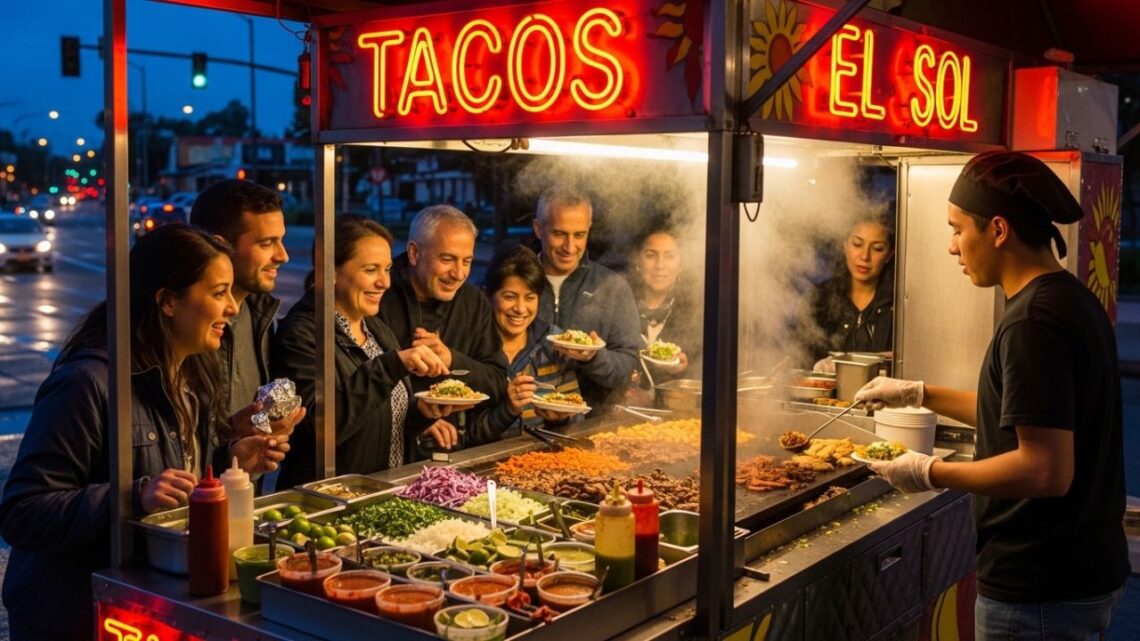
Taco carts are more than just a quick stop for a satisfying bite—they represent a vibrant street food tradition built on simplicity, flavor, and skill. Found on busy corners, local markets, and evening food street these compact setups bring together the essentials of great cooking: fresh ingredients, careful preparation, and a deep understanding of balance.
What makes taco carts especially appealing is their ability to deliver consistently delicious food with minimal fuss. There’s no long menu or complicated presentation—just well-made tacos assembled fresh, often right in front of you. The experience feels both personal and communal, as people gather, order, and enjoy food in a shared space.
For home cooks, taco carts offer a valuable lesson: great food doesn’t have to be complicated. In my own kitchen, I’ve learned that focusing on a few quality ingredients and cooking them well often creates more memorable meals than overloading a dish with too many elements.
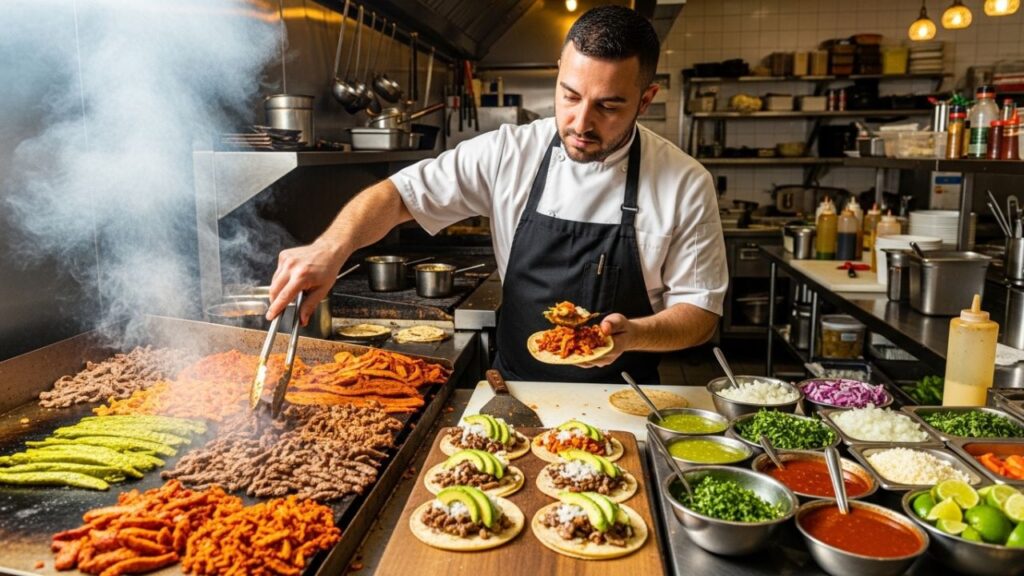
What Are Taco Carts?
Taco carts are mobile food vendors dedicated to preparing and serving tacos, typically in a street-style format. Designed for efficiency, these carts are compact yet functional, allowing cooks to grill, assemble, and serve food quickly while keeping everything fresh.
The magic of taco carts lies in their simplicity. They are built to maximize flavor while minimizing wait time and fuss. Most vendors rely on a few core ingredients and toppings, but their mastery comes from perfecting the cooking process and ensuring freshness in every taco.
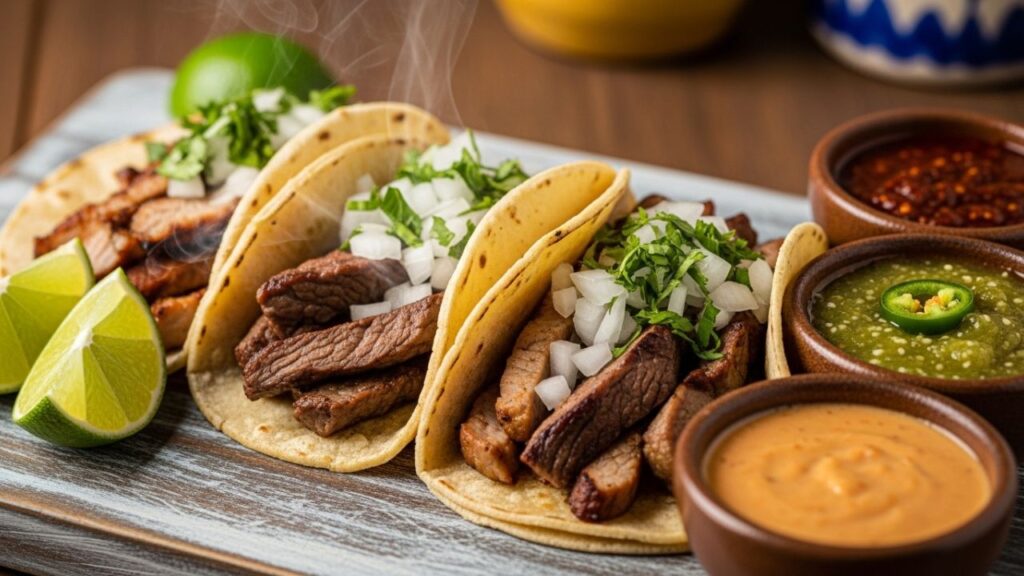
Key Ingredients for Taco Carts
1. Tortillas
Soft corn tortillas are the traditional choice, lightly warmed just before serving. Their subtle flavor complements the richness of the meat and the brightness of the toppings without overwhelming the palate.
2. Proteins
Common proteins include grilled beef, chicken, or slow-cooked pork. Some vendors also experiment with seafood, lamb, or vegetarian options like mushrooms, beans, and lentils.
3. Fresh Toppings
Chopped onions, cilantro, lime wedges, and cabbage provide freshness, acidity, and texture. Salsas ranging from mild to spicy add depth and balance to each bite.
4. Optional Extras
Pickled vegetables, avocado slices, or a drizzle of crema can elevate a taco from delicious to unforgettable.
Image suggestion: Close-up of taco ingredients on a prep table—corn tortillas, marinated meats, fresh herbs, and colorful salsas.
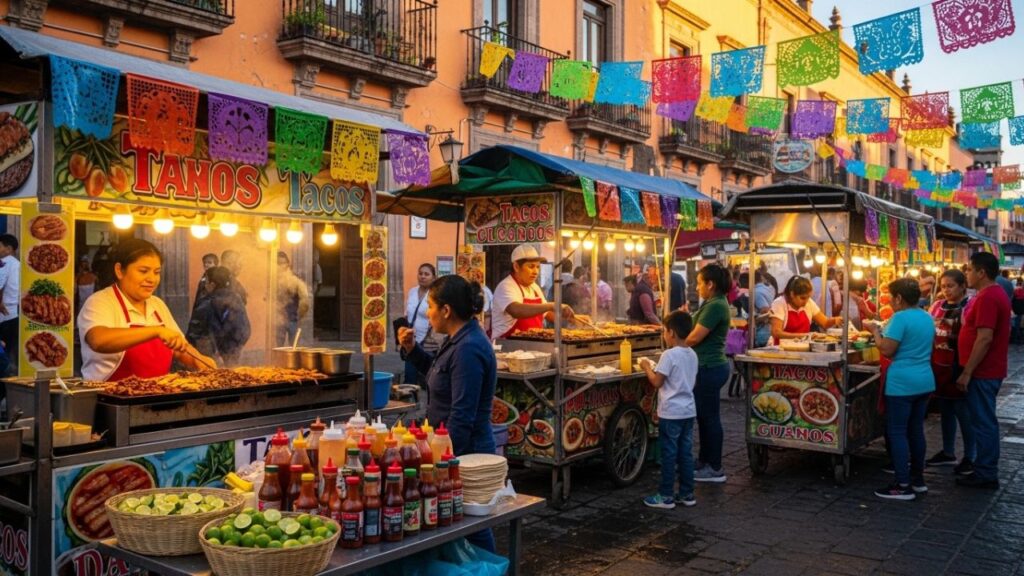
Cultural Background of Taco Carts
Taco carts originate from Mexican street food traditions, where food is meant to be accessible, affordable, and full of flavor. In Mexico, street tacos are often eaten as a quick snack or a full meal, served at bustling mercados, street corners, and festival stalls.
Over time, this style of cooking has spread globally. From Los Angeles to Tokyo, taco carts inspire local variations and fusion styles, maintaining the essence of simplicity while adapting to local tastes.
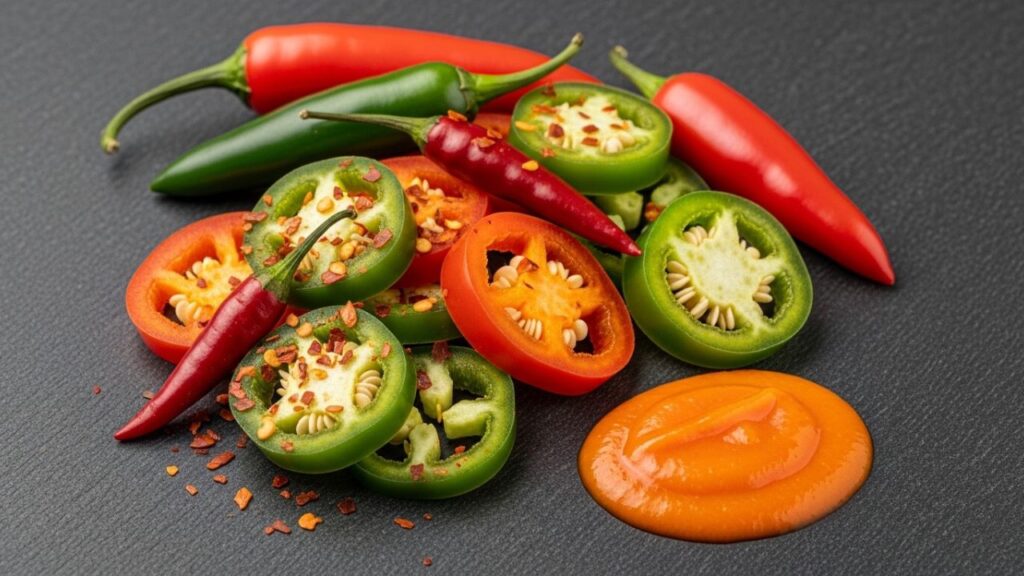
Flavor Profile of Taco Carts
The hallmark of taco cart food is its layered yet balanced flavor:
- Savory: Rich, marinated meats provide a satisfying umami base.
- Acidic: Fresh lime juice and pickled toppings brighten each bite.
- Herbal: Cilantro, onions, and other fresh herbs add brightness.
- Spicy: Chili-based sauces offer a gentle heat without overwhelming the palate.
This balance ensures every bite is flavorful but never overpowering—a key reason taco carts are beloved by so many.

Traditional Preparation at Taco Carts
Efficiency is key. Meats are often marinated ahead of time and cooked quickly over high heat. Tortillas are warmed just before serving, and toppings are added sparingly to maintain the integrity of each bite.
Many taco cart cooks have perfected the art of multitasking—grilling meat, chopping toppings, and assembling tacos simultaneously without compromising quality.
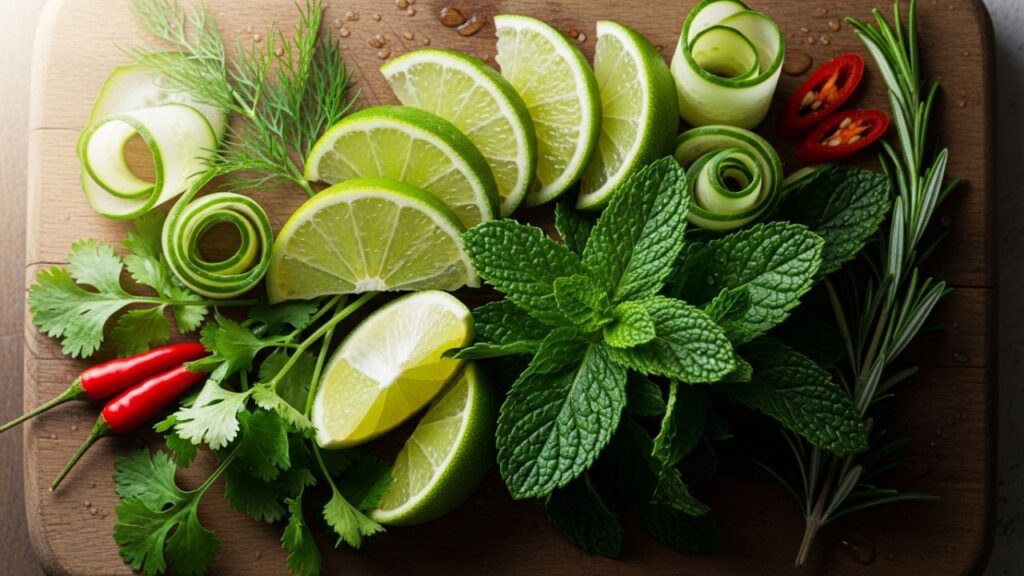
Why Taco Carts Work So Well
Flavor Balance
Taco carts excel at combining essential taste elements:
- Saltiness: From well-seasoned proteins
- Acidity: From lime juice or pickled vegetables
- Smokiness: From grilled meats
- Umami: From marinated or slow-cooked fillings
Texture Contrast
A satisfying taco delivers multiple textures:
- Soft, warm tortillas
- Juicy or slightly crisp meat
- Crunchy toppings like onions or cabbage
Nutritional Value
When thoughtfully assembled, tacos can be nutritionally balanced:
- Protein supports satiety
- Vegetables provide fiber and vitamins
- Healthy fats from avocado or oils enhance flavor and texture
Cooking Techniques Used in Taco Carts
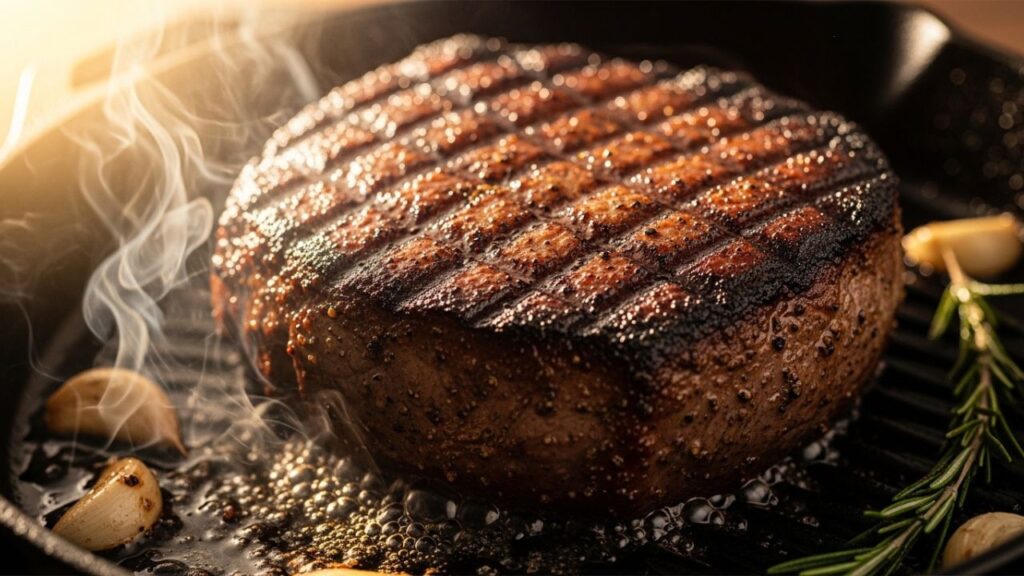
Taco carts rely on straightforward methods that maximize flavor:
- High-heat grilling: Creates caramelization and depth
- Quick searing: Retains moisture in proteins
- Slow cooking: Ensures tenderness in certain meats
These techniques are designed for efficiency while preserving taste and texture.

Everyday Appeal of Taco Carts
Tacos fit easily into daily life:
- Quick to prepare
- Easy to customize
- Suitable for both solo meals and group settings
This flexibility has made taco carts a staple in urban food culture and a favorite for home cooking.
Ingredients Guide for Taco Carts
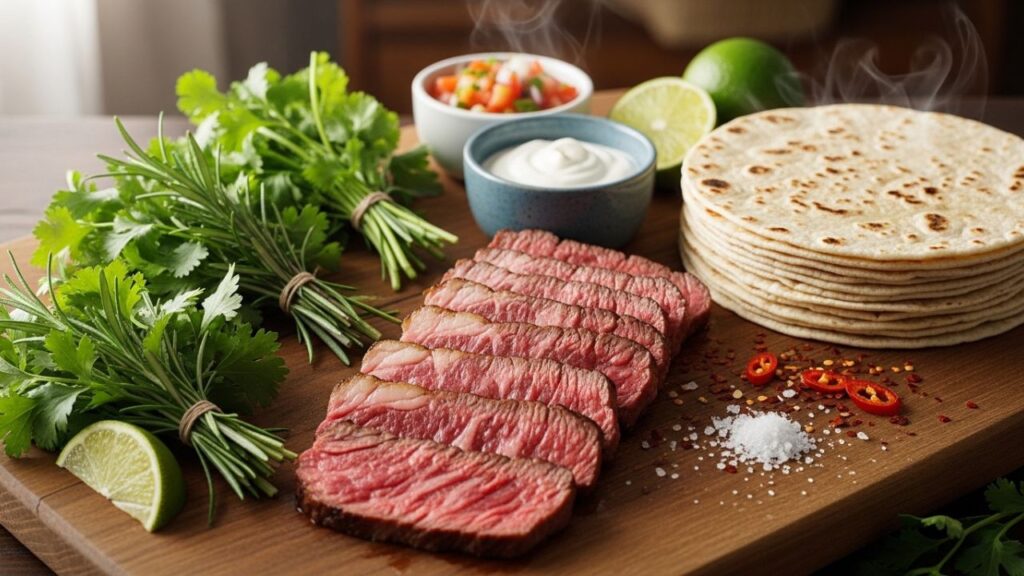
Quality Indicators
- Tortillas: Fresh, soft, and flexible
- Meat: Slight marbling ensures flavor and juiciness
- Herbs: Bright green and aromatic
Ingredient Substitutions
- Replace beef with chicken, fish, or mushrooms
- Use flour tortillas if corn is unavailable
- Swap cilantro with parsley for milder taste
Seasonal Considerations
- Warmer months: Fresh tomatoes, grilled corn, lighter salsas
- Cooler months: Hearty meats, roasted vegetables, richer sauces
Budget-Friendly Alternatives
- Beans or lentils as affordable protein
- Seasonal vegetables to reduce costs
- Simple spice blends instead of complex marinades
Pantry Staples
- Ground cumin, chili powder
- Garlic and onions
- Vinegar or fresh citrus juice
- Neutral cooking oil
Image suggestion: Fresh taco ingredients laid out neatly on a kitchen counter, highlighting seasonal vegetables and spices.
Step-by-Step Cooking Method
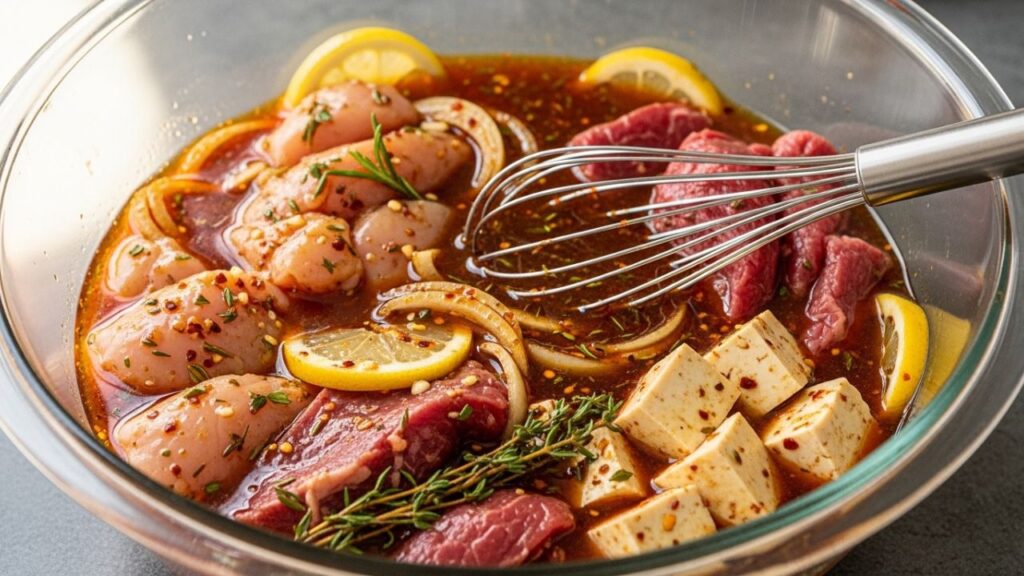
- Prepare the Protein
Marinate your chosen protein with spices, garlic, and citrus juice. Even a short 30-minute rest improves flavor, though longer marination yields deeper results. - Preheat the Cooking Surface
Use a heavy skillet, grill pan, or outdoor grill. The surface should sizzle gently when meat is placed on it. - Cook the Meat
- Chicken: Cook fully until juices run clear
- Beef: Achieve a balance between tenderness and caramelization
- Sensory cue: Rich aroma and visible browning along edges
- Warm the Tortillas
Heat briefly on a dry pan or over a flame. Keep them wrapped in a clean cloth to retain warmth. - Assemble the Tacos
- Add a modest portion of meat
- Sprinkle chopped onions and herbs
- Squeeze fresh lime juice
- Finish with salsa
Troubleshooting Tips:
- Dry meat: Lower heat or shorten cooking time
- Bland flavor: Adjust seasoning or add citrus
- Tortillas breaking: Ensure they’re properly warmed
Optional Variations:
- Grilled peppers or onions
- Experiment with spice blends
- Light yogurt or cream-based sauce for contrast
Serving Suggestions for Taco Carts
Ideal Pairings
- Rice or seasoned beans
- Fresh salads with citrus dressing
- Light beverages like sparkling water or fruit drinks
Plating Ideas
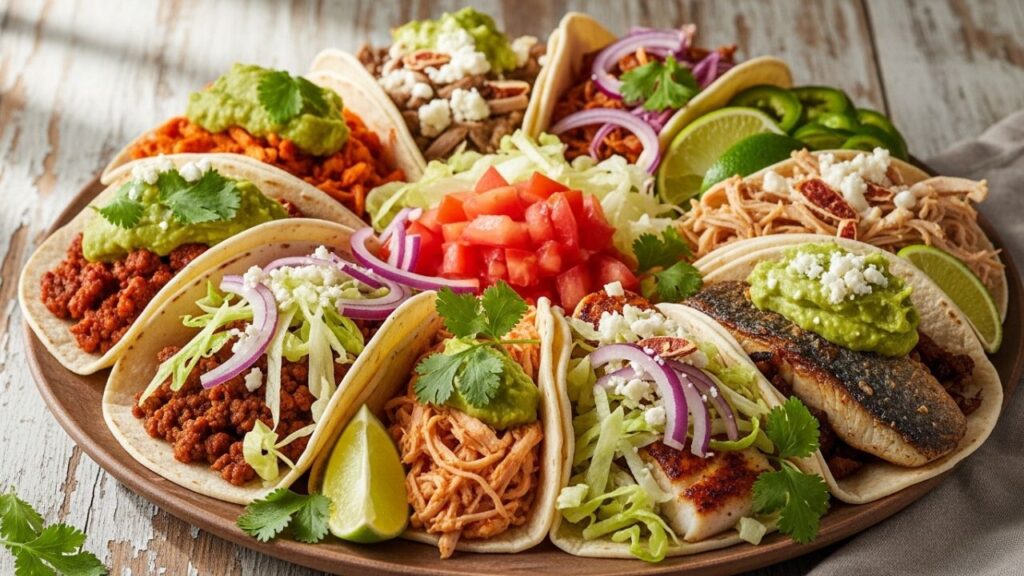
- Arrange tacos on a wooden board or ceramic plate
- Add lime wedges and extra herbs
Serving for Gatherings
- Taco bar setup: multiple fillings and toppings
- Keep ingredients warm and organized
- Portion tips: 2–3 tacos per person
Image suggestion: A colorful taco platter with assorted toppings, lime wedges, and fresh herbs.
Seasonal and Occasion Variations of Taco Carts
Spring & Summer
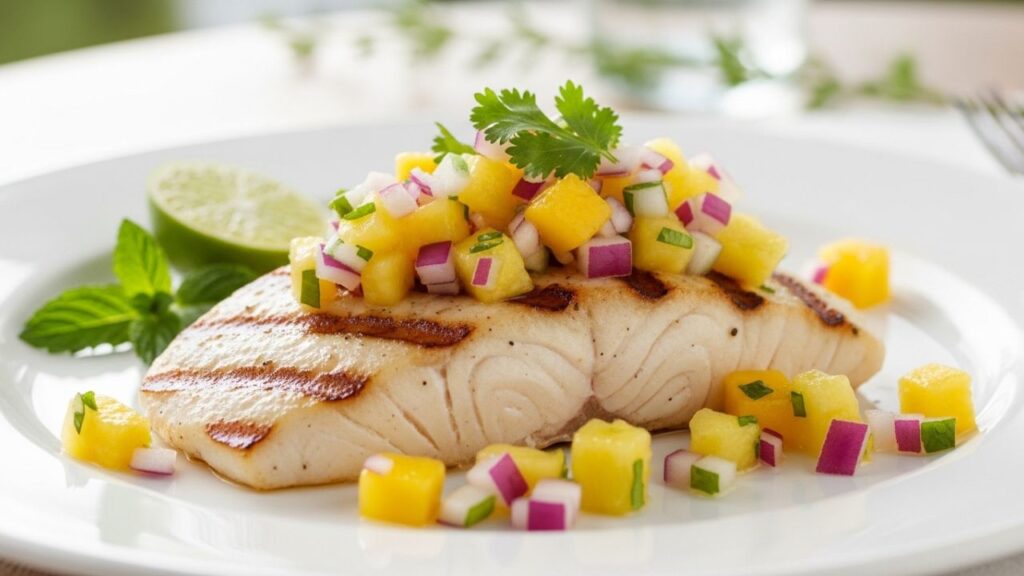
- Lighter proteins: grilled chicken or fish
- Fresh salsas with tomatoes, mango, or citrus
Fall & Winter
- Slow-cooked meats for warmth
- Roasted vegetables and warming spices
Taco Carts for Special Occasions
- Mini tacos for gatherings
- Variety of toppings for interactive meals
Refreshing Leftovers from Taco Carts
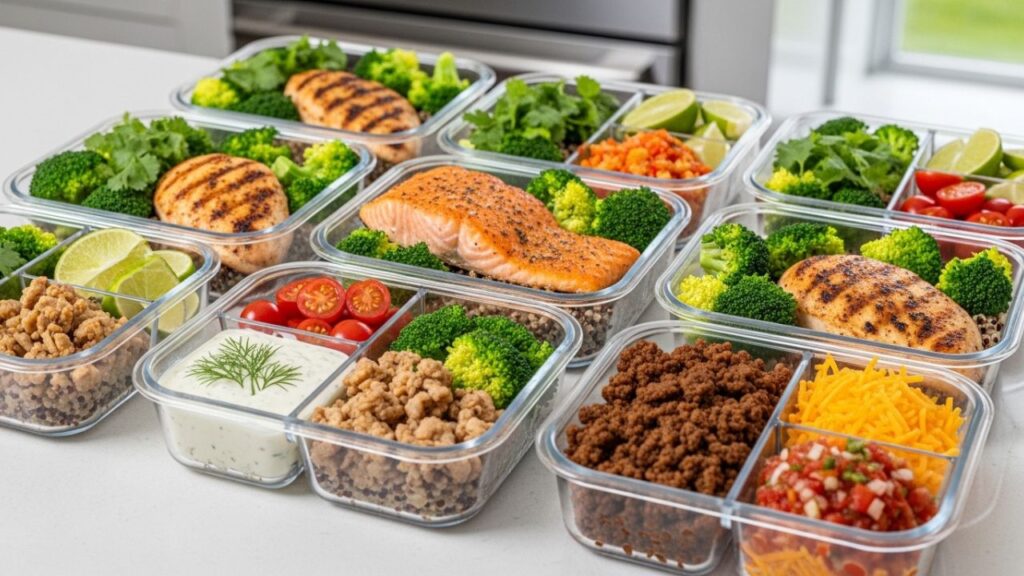
- Use leftover fillings in rice bowls, wraps, or salads
Storage & Reheating Tips
- Store cooked proteins in airtight containers
- Keep toppings separate
- Refrigerate for up to 3 days; freeze meat up to 2 months
- Reheat meat in a skillet; warm tortillas separately
Food Safety
- Reheat thoroughly
- Avoid leaving cooked food at room temperature for long periods
Common Mistakes to Avoid
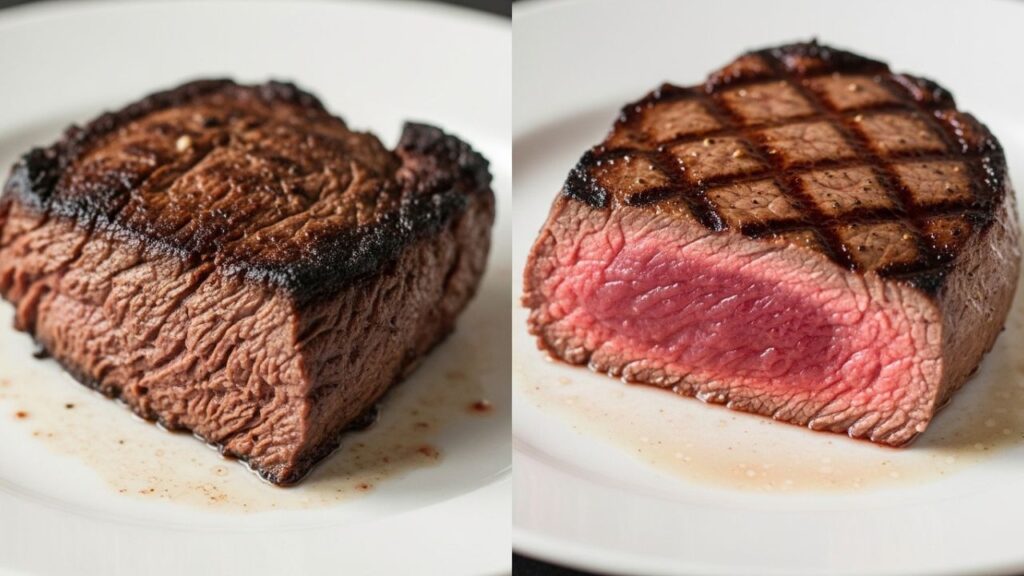
- Overcooking meat
- Under-seasoning
- Skipping marination
- Overfilling tacos
- Ignoring texture balance
Frequently Asked Questions
1. What makes taco cart tacos unique?
Focus on simplicity, fresh preparation, and bold, balanced flavors
2. Can I recreate taco cart tacos at home?
Yes, with fresh ingredients and a hot pan or grill.
3. Which tortillas are most authentic?
Corn tortillas offer a distinct traditional flavor.
4. How do I improve flavor quickly?
Use fresh lime juice, proper seasoning, and high-heat cooking.
5. Are tacos suitable for meal prep?
Yes—store fillings separately for best results.
5. What vegetarian options work well?
Grilled vegetables, beans, lentils, and mushrooms are excellent.
Conclusion
Taco carts show how thoughtful cooking and simple ingredients can create truly satisfying food. Focusing on balance, freshness, and technique allows even the most straightforward taco to deliver remarkable flavor. Bringing these principles into your kitchen doesn’t require special equipment—just attention to detail and a willingness to keep things simple.
Whether cooking for yourself or sharing a meal with others, tacos offer a flexible, enjoyable way to explore bold, vibrant flavors.
About the Author
The author is a dedicated home cook and food writer who enjoys exploring global street food traditions and adapting them for everyday kitchens. With a focus on approachable techniques and balanced flavors, they aim to help readers cook with confidence and creativity.