Kakejiru is a key element in Japanese cuisine, providing a rich and savory foundation for many dishes. This broth, made from dashi, soy sauce, and mirin, enhances the flavor of everything it touches. It’s commonly used with noodles like udon and soba, but its versatility extends far beyond that. In this article, we’ll explore everything you need to know about kakejiru, from its ingredients and history to how to use it in your own cooking.

What is Kakejiru?
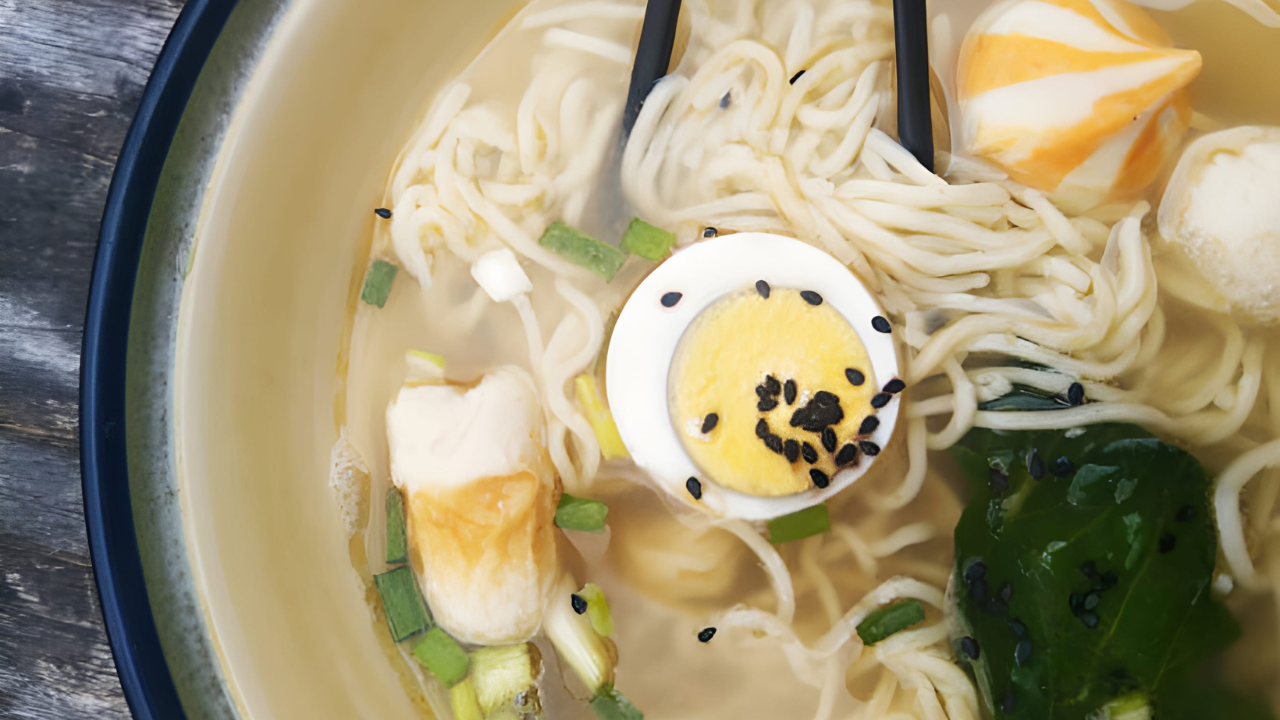
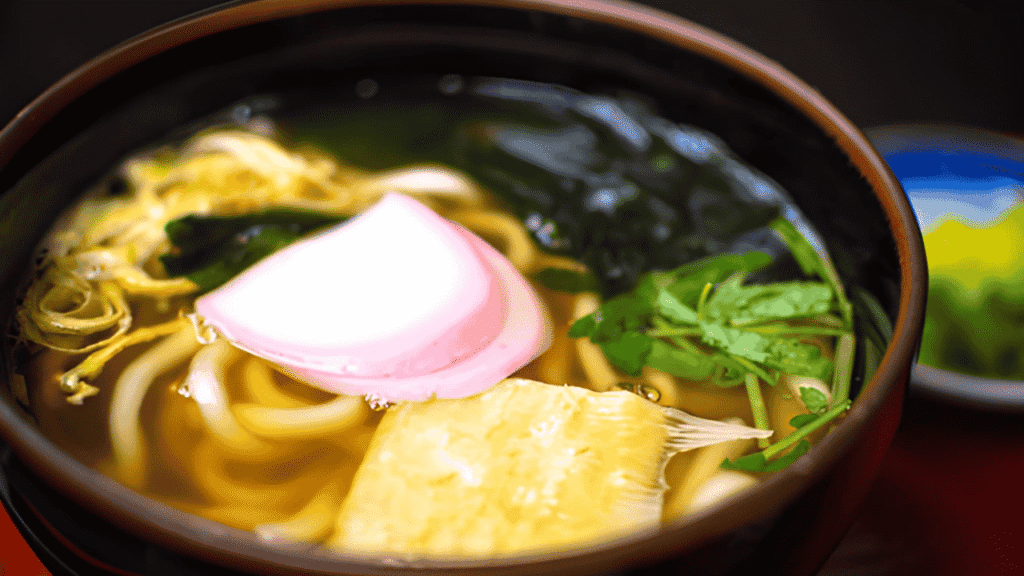
Kakejiru is a Japanese broth that forms the base of many dishes. At its heart, it combines the umami-rich dashi stock with soy sauce and mirin. The result is a flavorful liquid that complements various Japanese meals. It’s particularly known for its use in noodle dishes like kake-udon and kake-soba.
The balance of salty, sweet, and savory makes kakejiru an essential part of Japanese culinary culture. Its simplicity allows it to pair perfectly with a wide range of ingredients, enhancing their natural flavors without overpowering them. Whether you’re using it for a quick bowl of noodles or as a base for a hot pot, kakejiru brings warmth and depth to every dish.
Key Ingredients in Kakejiru
To understand kakejiru fully, you need to look at the key ingredients that make it so unique. These elements, while simple, work together to create the perfect broth. Here’s what goes into making it:
- Dashi – This is the base of kakejiru, made from kombu (seaweed) and katsuobushi (dried bonito flakes). Dashi is known for its umami flavor and serves as the foundation of many Japanese dishes.
- Soy Sauce – Soy sauce adds saltiness and depth to kakejiru. It also brings a slight tanginess that enhances the flavor of the broth.
- Mirin – Mirin is a sweet rice wine that adds sweetness and a smooth, rich texture to kakejiru. This ingredient balances the saltiness of soy sauce and the earthiness of dashi.
When combined, these ingredients create a broth that is both flavorful and versatile, perfect for a variety of Japanese dishes.
The Process of Making Kakejiru
Making kakejiru is relatively simple. The process begins with preparing dashi, either from scratch or using instant dashi powder. Once you have the dashi, adding soy sauce and mirin brings the broth to life. A typical ratio for kakejiru is 2 parts dashi, 1 part soy sauce, and 1 part mirin. You can change these ratios to your preference..
The key to perfect kakejiru is ensuring the flavors are well-balanced. If you prefer a stronger umami flavor, you can increase the dashi. If you like your broth sweeter, add more mirin. A bit of experimentation will help you achieve the ideal balance for your dishes.
Kakejiru in Noodle Dishes
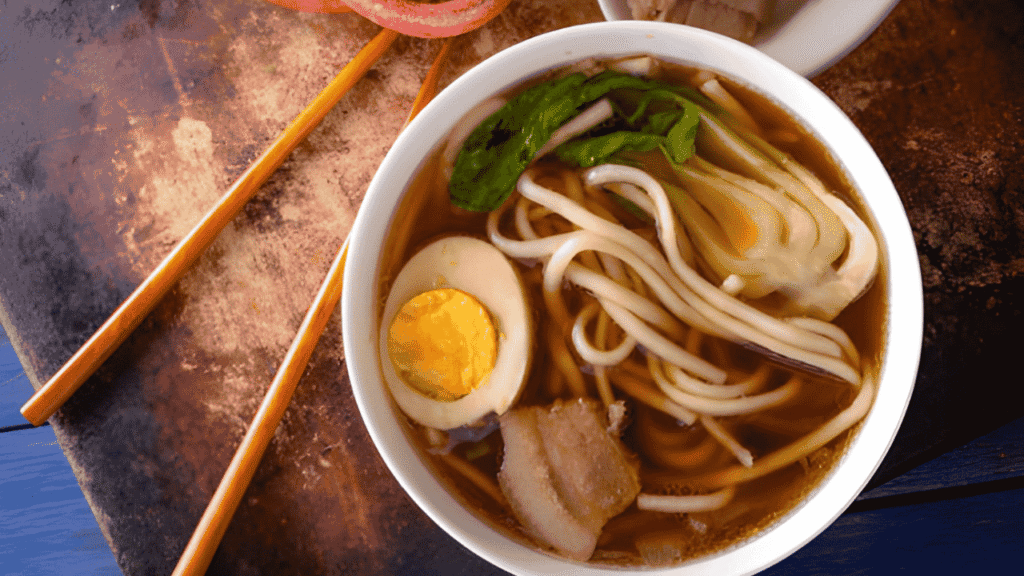
It shines when paired with noodles. Two of the most common dishes are kake-udon and kake-soba. Both use kakejiru as a broth that complements the noodles and adds depth to the dish.
- Kake-Udon: Thick, chewy udon noodles are often served in a hot bowl of kakejiru. The broth is poured over the noodles, making the dish warming and comforting. You can add toppings like tempura, green onions, or a soft-boiled egg for extra flavor.
- Kake-Soba: This dish uses thin, delicate soba noodles, which are served in a similar way. The light, savory broth of kakejiru enhances the subtle flavors of the soba, creating a balanced and satisfying meal.
Both dishes highlight the versatility of kakejiru and demonstrate how a simple broth can transform a meal.
Kakejiru in Hot Pots
Kakejiru can also be used as a base for Japanese hot pots, known as nabe. These dishes feature a variety of ingredients, including vegetables, tofu, and meat, all cooked in a savory broth. Using kakejiru as the foundation for your hot pot adds a layer of umami that elevates the dish.
To make a hot pot with kakejiru, start by heating the broth in a pot. Then, add the ingredients and allow them to cook until tender. The flavors from the vegetables, tofu, and meat meld into the broth, making the dish more complex and satisfying.
Kakejiru in Rice Dishes
Kakejiru isn’t just for noodles or hot pots. You can also pour it over steamed rice to add flavor and moisture. This simple technique makes a bowl of rice more exciting, turning it into a savory dish that pairs well with a variety of sides.
In Japan, pouring kakejiru over rice is a popular way to add richness to an otherwise plain dish. The broth absorbs into the rice, infusing it with the deep flavors of dashi, soy sauce, and mirin. It’s an easy and delicious way to enjoy kakejiru in a new form.
Health Benefits
While kakejiru is primarily known for its flavor, it also offers several health benefits. The dashi used in the broth contains amino acids, which help provide the umami taste and support overall health. Dashi is also rich in minerals, such as iodine, which is important for thyroid function.
Soy sauce, another key ingredient in kakejiru, contains antioxidants that can help protect the body from free radicals. Mirin adds a small amount of sweetness to the broth, making it easier to consume without overwhelming your taste buds. Together, these ingredients create a healthy and nourishing broth that’s full of flavor.
Regional Variations of Kakejiru
In Japan, the preparation of kakejiru can vary by region. The basic ingredients remain the same, but the proportions of dashi, soy sauce, and mirin may differ depending on local preferences. In the Kansai region, for example, the broth tends to be sweeter due to the higher use of mirin. In contrast, the Kanto region favors a saltier broth, with more soy sauce in the mix.
These regional variations reflect the diversity of Japanese cuisine and highlight how kakejiru can be adjusted to suit different tastes. Whether you prefer a sweeter or saltier broth, you can easily modify the recipe to match your personal preferences.
Using Kakejiru in Modern Cooking
While kakejiru has its roots in traditional Japanese cuisine, it’s also gaining popularity in modern cooking. Many chefs and home cooks are experimenting with kakejiru in new and creative ways. For example, it can be used as a base for soups or even as a marinade for meats and vegetables. The possibilities are endless, and the versatility of kakejiru makes it an exciting ingredient to work with.
If you’re looking to get creative in the kitchen, consider using kakejiru in your own dishes. Its deep, savory flavor will enhance a wide range of meals, from simple stir-fries to more elaborate dishes.
Kakejiru’s Role in Japanese Food Culture
Kakejiru is more than just a broth; it represents the essence of Japanese cooking. The Japanese culinary tradition focuses on creating harmony between flavors, and kakejiru is a perfect example of this. The broth is light, yet rich in flavor, and it enhances the taste of the ingredients it’s paired with.
In Japanese food culture, kakejiru is a symbol of balance and simplicity. It showcases the beauty of using a few key ingredients to create a dish that’s full of depth and complexity. Whether served with noodles, rice, or vegetables, kakejiru brings a sense of comfort and satisfaction to the table.
How to Store and Reheat Kakejiru
If you’ve made too much kakejiru, don’t worry—it stores well for later use. Allow the broth to cool, then transfer it to an airtight container. You can store it in the refrigerator for up to a week or freeze it for longer storage.
When reheating kakejiru, simply heat it on the stove over low heat. You may need to adjust the flavor slightly by adding more soy sauce or mirin, depending on your taste. Once heated, you can use it for any dish that calls for a flavorful broth.
Conclusion
Kakejiru is a fundamental part of Japanese cuisine, offering a simple yet deeply flavorful base for a wide variety of dishes. Whether you’re making udon, soba, hot pot, or rice dishes, kakejiru brings warmth, depth, and umami to every meal. Its versatility and rich flavor make it an essential ingredient in any kitchen. So next time you’re cooking a Japanese dish, don’t forget to include this delicious, savory broth—your taste buds will thank you.