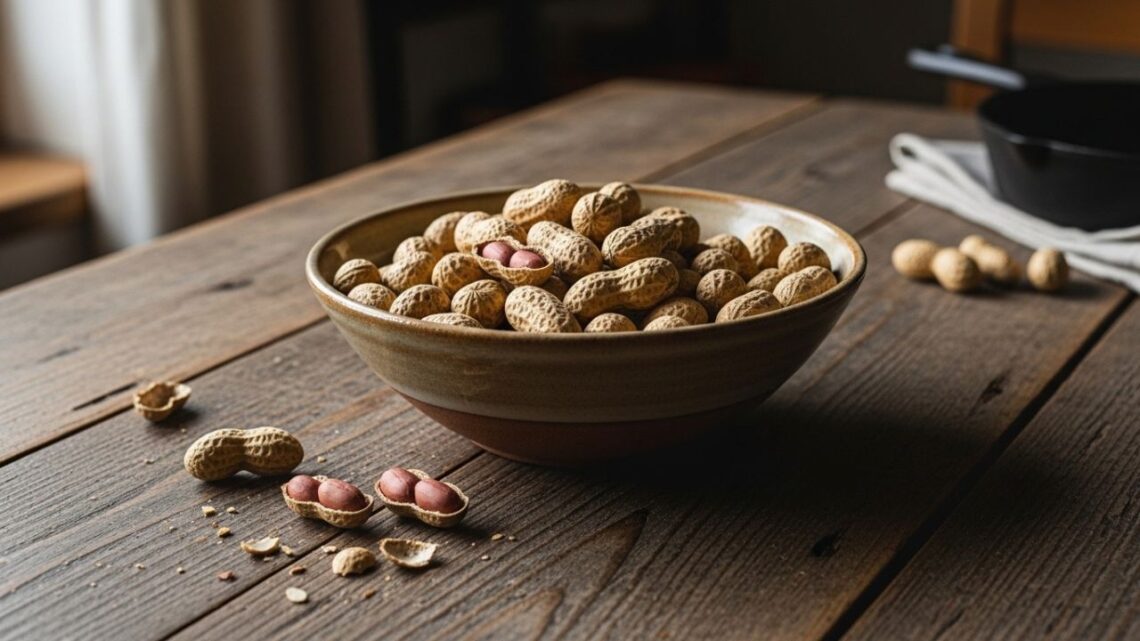
Peanuts are one of the most familiar ingredients in home kitchens around the world, yet the little peanut—the smaller variety often used for roasting, snacking, and cooking—deserves its own spotlight. These tiny legumes may appear simple, but they bring remarkable flavor, texture, and versatility to everyday dishes.
Small peanuts are prized for their slightly sweeter taste and crisp texture when roasted. Because of their size, they cook quickly and distribute evenly in recipes, making them especially useful in snacks, sauces, and stir-fries. From crunchy toppings for salads to the base of creamy peanut sauces, they quietly enhance both traditional and modern meals.
Home cooks often appreciate ingredients that are affordable, easy to store, and flexible enough to work across many cuisines. Little peanuts meet all those needs. In my own kitchen, I often keep a jar of roasted small peanuts nearby; a quick handful can transform a simple noodle bowl or vegetable dish into something far more satisfying.
Understanding how to choose, cook, and store these peanuts can help you use them more confidently in everyday cooking.
What Is Little Peanut?
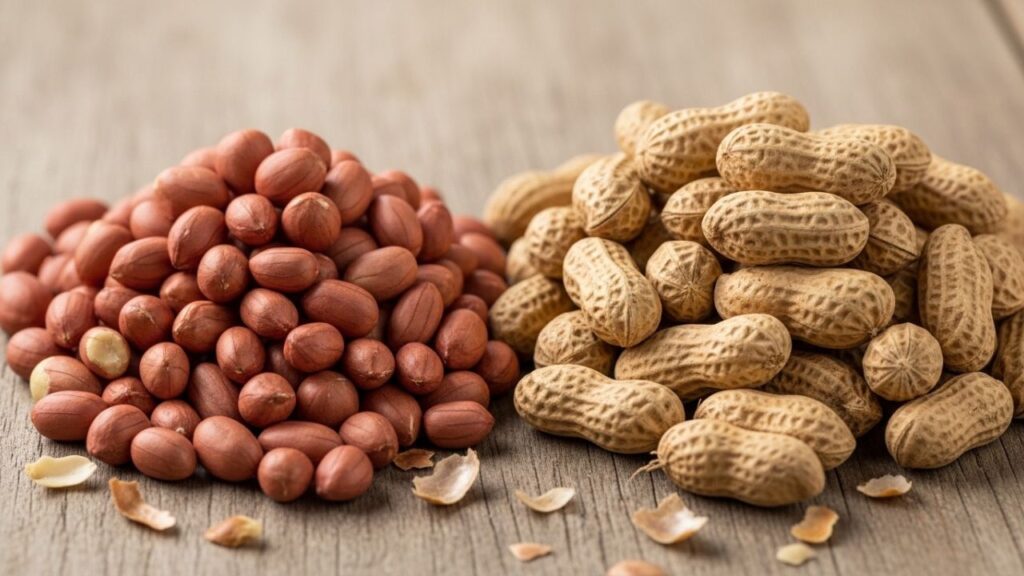
The term little peanut generally refers to small-sized peanut varieties, often harvested earlier or belonging to naturally smaller cultivars. While they come from the same plant species as standard peanuts, their smaller size gives them a few distinctive culinary advantages.
Key Characteristics
Little peanuts typically feature:
- A smaller kernel size
- Slightly sweeter flavor
- Crisp texture when roasted
- Faster roasting or cooking time
Because they are compact, they distribute well in recipes and work beautifully in dishes where texture matters.
Culinary Background of Little Peanut
Peanuts originated in South America but quickly spread across the globe through trade routes. Today, they are deeply integrated into many culinary traditions, including Asian, African, and American cooking.
Small peanuts are particularly valued in:
- Roasted snack mixes
- Street food toppings
- Peanut sauces
- Ground peanut pastes
- Crunchy garnishes for noodles and salads
Their mild sweetness and nutty aroma make them a natural match for both savory and sweet recipes.
Flavor Profile of Little Peanut
Little peanuts offer a balanced flavor that includes:
- A warm nutty richness
- Gentle sweetness
- Slight earthy undertones
When roasted, their oils release a deeper aroma, creating the familiar scent associated with freshly roasted peanuts.
Traditional Preparation of Little Peanuts
Traditionally, small peanuts are prepared in several ways:
- Dry roasted in pans or ovens
- Ground into peanut paste
- Lightly fried for snack mixes
- Crushed as toppings for cooked dishes
Each method highlights their natural flavor while changing their texture.
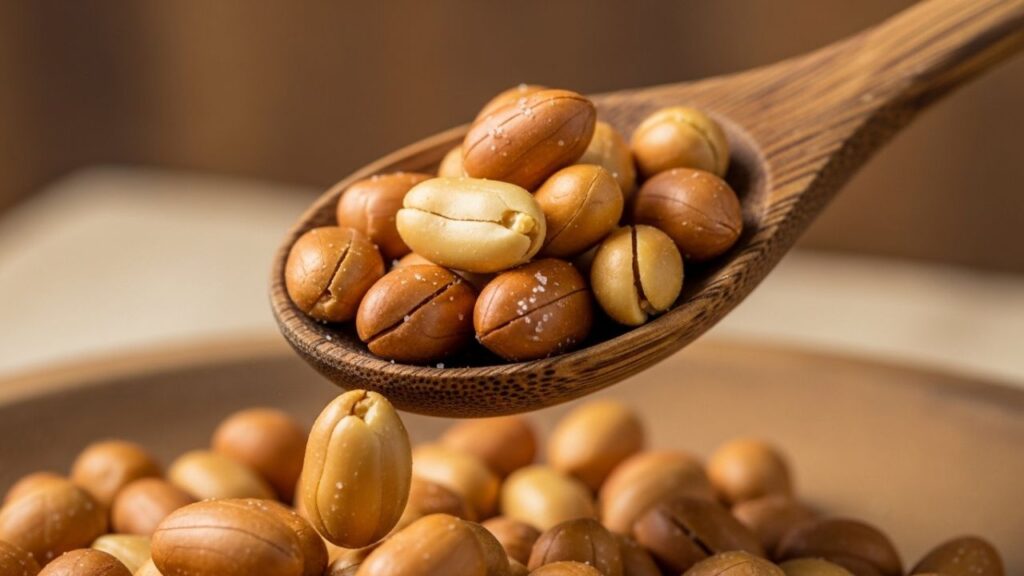
Why Little Peanut Work So Well in Cooking
Little peanuts succeed in cooking because they bring together flavor, texture, and nutrition in a single ingredient.
Flavor Balance of Little Peanut
Peanuts naturally contain several taste elements:
- Sweetness from natural sugars
- Umami depth from protein and oils
- Subtle bitterness that develops during roasting
This combination allows them to complement both spicy and mild dishes.
Texture Contrast of Little Peanut
Texture is often what makes small peanuts shine. They add:
- Crunch to soft noodle dishes
- Structure to salads
- Thickness to sauces when ground
Even a small sprinkle can add a satisfying bite.
Nutritional Value of Little Peanut
Peanuts are often included in balanced diets because they contain:
- Plant-based protein
- Healthy fats
- Fiber
- Vitamin E and B vitamins
- Minerals such as magnesium and phosphorus
This nutritional profile makes them a practical ingredient for everyday cooking.
Cooking Techniques for Little Peanuts
Little peanuts adapt well to many cooking techniques:
- Dry roasting
- Stir-frying
- Grinding into sauces
- Crushing for garnishes
Because of their size, they cook evenly and rarely require long preparation times.
Everyday Meal Fit with Little Peanut
In many kitchens, peanuts become a quiet staple. They work well in:
- Quick lunch salads
- Stir-fried vegetables
- Rice bowls
- Homemade snack mixes
Their versatility is one of the main reasons cooks return to them again and again.
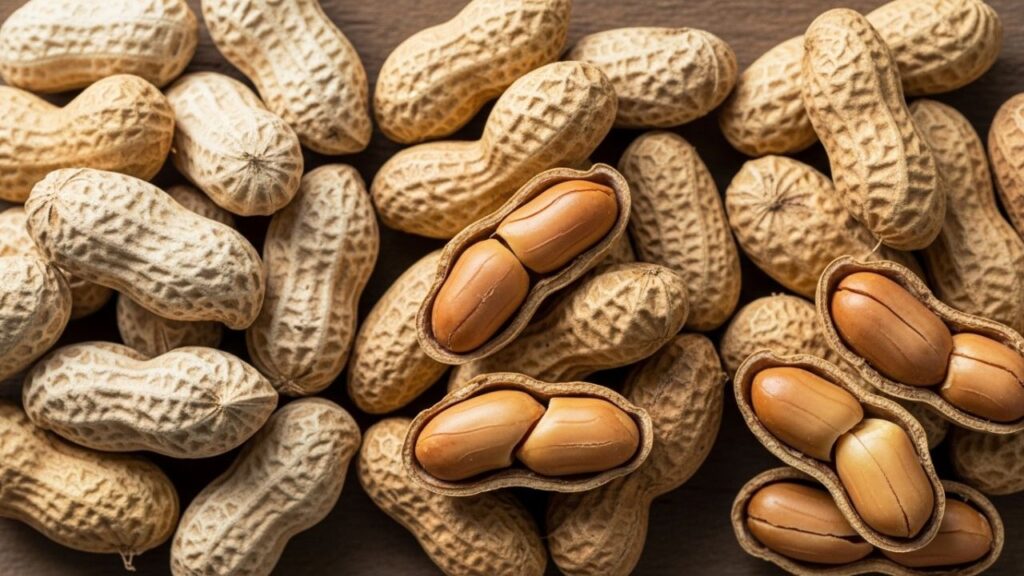
Little Peanut Inside Our Ingredients
Choosing good-quality peanuts makes a noticeable difference in flavor.
How to Choose Fresh Little Peanut
Look for peanuts that are:
- Firm and dry
- Uniform in color
- Free from strong or sour odors
- Not shriveled or overly brittle
Fresh peanuts should smell lightly nutty rather than musty.
Raw vs Roasted Little Peanut
Both forms are useful.
Raw peanuts
- Ideal for roasting yourself
- Great for sauces and peanut paste
Roasted peanuts
- Ready to use in snacks and toppings
- Often slightly deeper in flavor
Ingredient Substitutions for Little Peanut
If little peanuts are unavailable, you can substitute:
- Standard peanuts (roughly chopped)
- Cashews for a softer texture
- Almonds for a firmer crunch
Each alternative will slightly change the flavor profile but still provide a nutty base.
Seasonal Considerations for Little Peanut
Fresh peanuts are typically harvested in warmer seasons. When they are in season, they often taste sweeter and contain more natural moisture.
Budget-Friendly Options for Little Peanut
Peanuts remain one of the most affordable nuts available. To keep costs low:
- Buy in bulk
- Store in airtight containers
- Roast at home instead of purchasing pre-roasted varieties
Pantry Ingredients That Pair Well with Little Peanut
Little peanuts work beautifully with:
- Garlic
- Ginger
- Soy sauce
- Chili flakes
- Lime juice
- Honey or brown sugar
These ingredients help highlight their natural nuttiness.
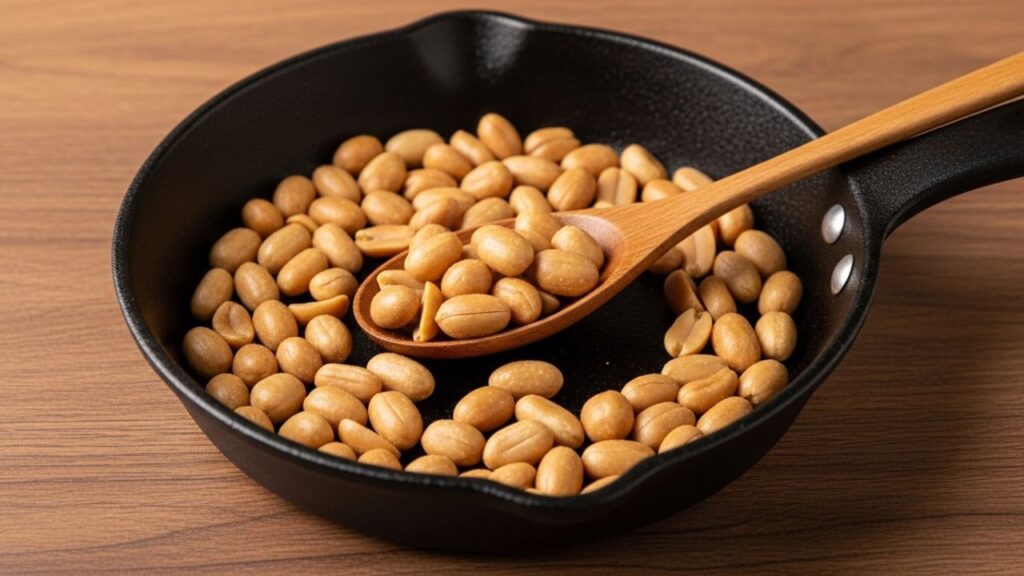
Little Peanut Cooking Process
One of the easiest ways to use little peanuts is by roasting them at home.
Simple Roasted Little Peanut
Ingredients
- 2 cups raw small peanuts
- 1 teaspoon neutral oil (optional)
- Salt to taste
Step 1: Prepare the Pan
Heat a heavy skillet over medium heat. If using oil, add just enough to lightly coat the pan.
Step 2: Add the Peanuts
Spread peanuts in a single layer.
Cook for 8–10 minutes, stirring frequently so they roast evenly.
Step 3: Watch for Sensory Cues
You’ll notice several changes:
- The color deepens slightly
- The aroma becomes stronger
- Some skins begin to crack
These are signs the peanuts are nearly ready.
Step 4: Season
Remove from heat and sprinkle with salt while still warm.
Let them cool completely before storing.
Troubleshooting Tips
If peanuts taste bitter:
- The heat may have been too high
- They may have roasted too long
Lower heat and stir more often next time.
Optional Variations
Try adding:
- Chili powder for heat
- Honey and sea salt for sweetness
- Garlic powder for savory snacks
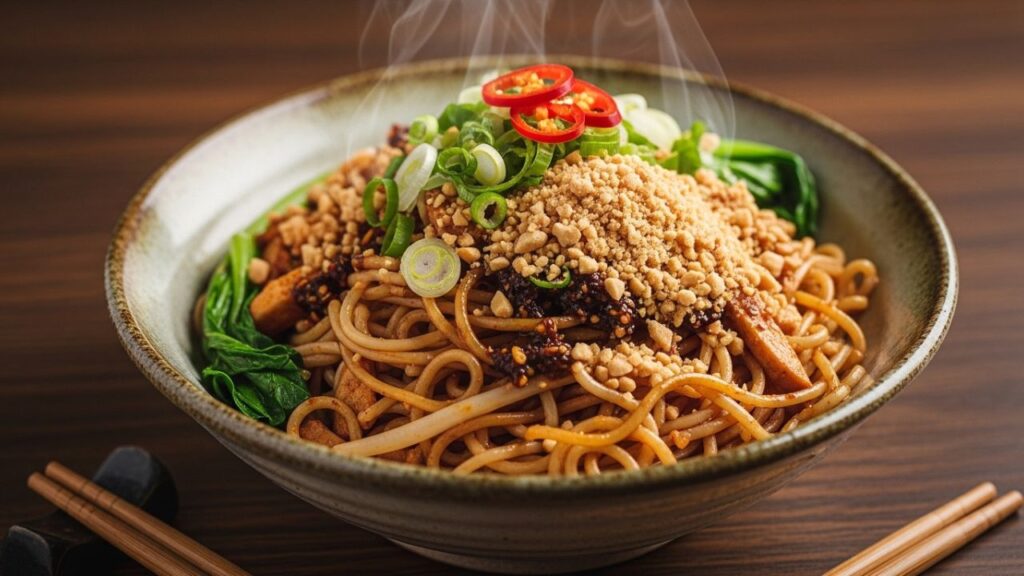
Little Peanut Serving Style
Little peanuts can elevate many everyday dishes.
Ideal Pairings
They work particularly well with:
- Noodle bowls
- Rice dishes
- Stir-fried vegetables
- Fresh salads
Their crunch balances softer ingredients.
Plating Ideas
To highlight peanuts visually:
- Sprinkle crushed peanuts over finished dishes
- Mix them into grain bowls
- Use them as a topping for roasted vegetables
Serving for Gatherings
For gatherings, consider:
- Homemade peanut snack mix
- Peanut-topped noodle platters
- Bowls of roasted peanuts with simple spices
These options are easy to prepare in advance.
Portion Tips for Small Households
A small handful per serving is usually enough. Because peanuts are rich, a little goes a long way.
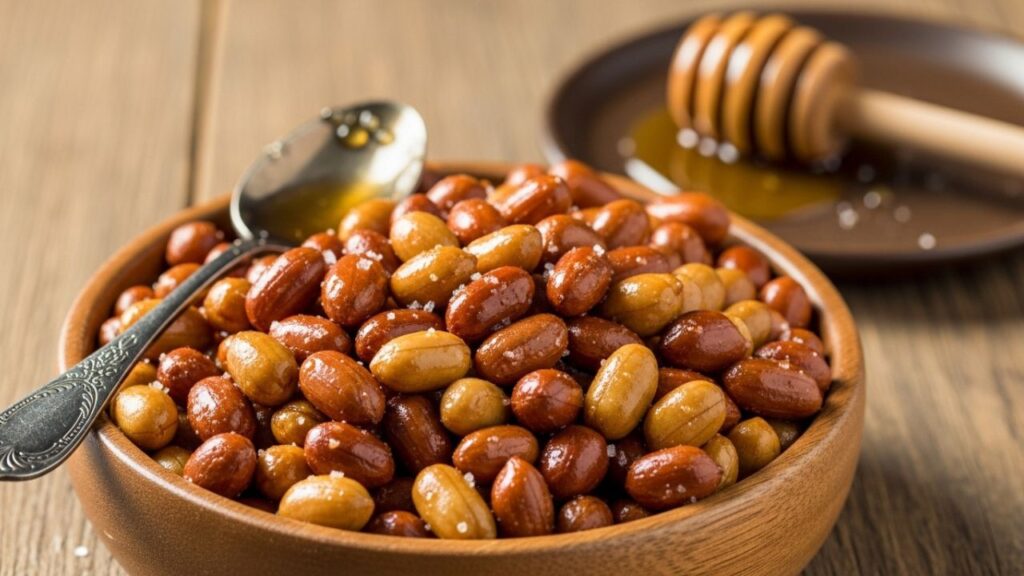
Little Peanut: Occasion Editions
Peanuts adapt easily to seasonal cooking.
Spring and Summer
Use peanuts in lighter dishes such as:
- Fresh vegetable salads
- Cold noodle bowls
- Citrus-based sauces
Fall and Winter
For colder months, try:
- Warm peanut sauces
- Peanut-crusted roasted vegetables
- Peanut and chili snack mixes
Casual Meals or Gatherings
Peanuts are perfect for casual settings. A quick roasted batch can become an easy appetizer or snack.
Refreshing Leftovers
Leftover roasted peanuts can be:
- Chopped into salads
- Mixed into rice dishes
- Added to stir-fried vegetables
This prevents waste while adding flavor.
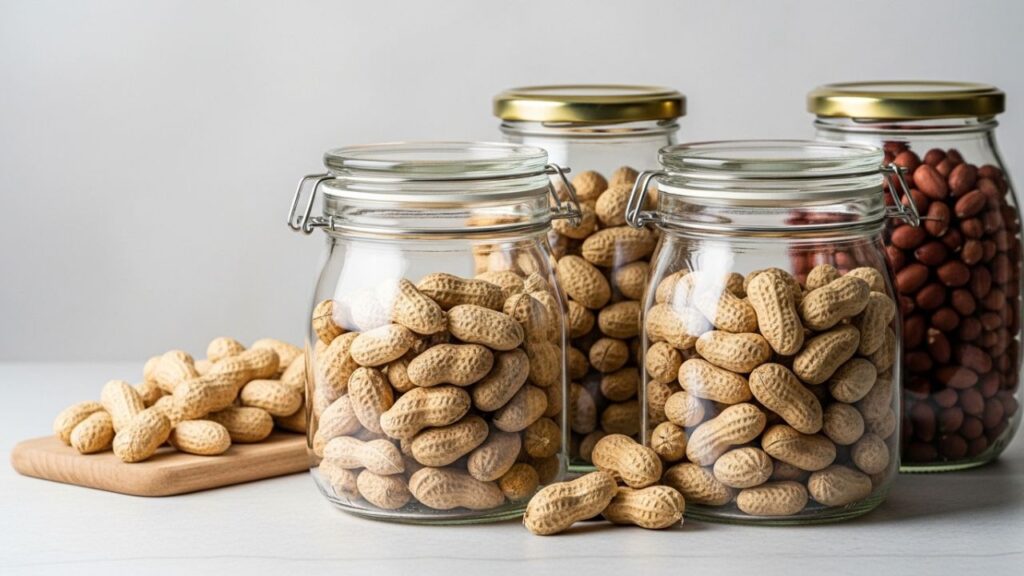
Little Peanut: Seasonal Delights & Storage Tips
Proper storage keeps peanuts fresh longer.
Storage Methods
Keep peanuts in:
- Airtight containers
- Cool, dry pantry spaces
- Refrigerators for extended storage
Refrigeration and Freezing
Roasted peanuts can last:
- 1–2 months in the pantry
- 3–6 months in the refrigerator
For long-term storage, freezing works well.
Reheating
To refresh roasted peanuts:
- Toast them briefly in a dry skillet
- Warm in a low oven for 5 minutes
This restores their crisp texture.
Food Safety
Discard peanuts that:
- Smell sour or rancid
- Taste bitter
- Show signs of mold
Peanuts contain natural oils that can spoil if stored poorly.
Festive Specials by Little Peanut Care & Common Mistakes
Even experienced cooks occasionally run into problems when preparing peanuts.
1. Overcooking
Peanuts roast quickly. High heat can burn them before the inside cooks evenly.
2. Uneven Roasting
Crowded pans cause uneven cooking. Always spread peanuts in a single layer.
3. Incorrect Seasoning Timing
Salt sticks best when peanuts are still warm.
4. Poor Storage
Exposure to air and heat speeds up rancidity. Use sealed containers whenever possible.
5. Texture Problems
If peanuts turn soft, they may have absorbed moisture. A quick oven toast usually restores their crunch.
Frequently Asked Questions
1. Are little peanuts different from regular peanuts?
They are usually smaller varieties or earlier harvests of the same peanut plant. The main differences are size and slightly sweeter flavor.
2. Can I roast peanuts without oil?
Yes. Peanuts contain natural oils, so they roast well in a dry pan or oven.
3. Should peanuts be soaked before cooking?
For most recipes, soaking is unnecessary. However, soaking can soften peanuts when making certain sauces or pastes.
4. How do I remove peanut skins easily?
After roasting, rub peanuts gently between clean towels. The skins will loosen and fall away.
5. Are peanuts suitable for everyday cooking?
Yes, when used in moderate portions. They add protein, flavor, and texture to many meals.
6.Can roasted peanuts be ground into peanut paste?
Absolutely. A food processor can turn roasted peanuts into a smooth paste or homemade peanut butter.
Conclusion
Little peanuts may be small, but they play a surprisingly large role in everyday cooking. Their gentle sweetness, satisfying crunch, and natural richness make them a reliable addition to both simple meals and more elaborate dishes.
Whether roasted for snacks, crushed over salads, or blended into sauces, they offer a practical way to add flavor without complicated preparation. With proper storage and a little attention while roasting, they remain one of the most versatile ingredients a home cook can keep on hand.
Cooking well often comes down to understanding simple ingredients and using them thoughtfully. Little peanuts remind us that even the most modest pantry staples can bring depth, balance, and enjoyment to the table.
About the Author
The author is a home cook and food writer who enjoys exploring practical ways to bring flavor into everyday meals. With a focus on approachable ingredients and reliable kitchen techniques, they aim to help readers cook with confidence. Much of their inspiration comes from experimenting with simple pantry staples and sharing the results with fellow home cooks.