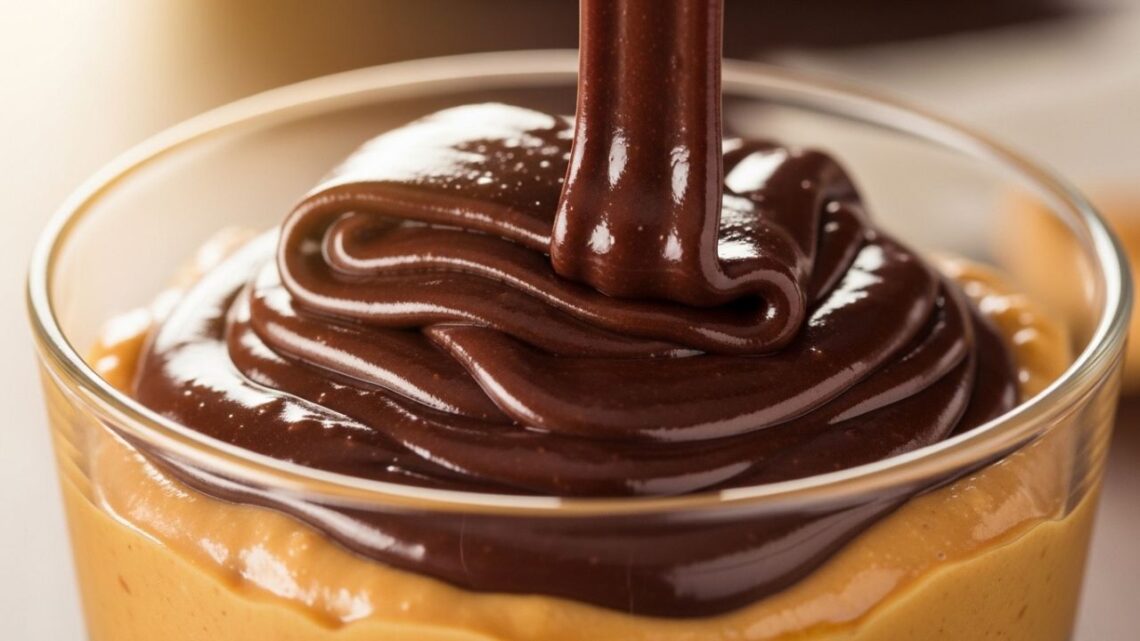
The name peanut butter cup strain immediately brings to mind one of the most beloved flavor combinations in the dessert world: rich chocolate paired with creamy, nutty goodness. In culinary terms, this profile has long inspired everything from baked goods to frozen treats, thanks to its balance of sweetness, saltiness, and deep roasted notes.
For home cooks and bakers, understanding this flavor profile opens the door to creating desserts that feel both nostalgic and sophisticated. Whether you’re baking for a family gathering or simply experimenting in your own kitchen, these familiar flavors can be adapted into a wide range of comforting dishes.
Many people are drawn to this combination because it’s approachable and crowd-pleasing, yet still offers room for creativity. In my kitchen, I often lean on this pairing when I want something reliable but still indulgent—it rarely disappoints and always feels a little special.
What Is Peanut Butter Cup Flavor Profile?
The peanut butter cup flavor profile refers to a combination inspired by classic chocolate and peanut butter confections. While the term “strain” can appear in other contexts, in culinary writing it simply denotes a distinct taste experience built around a few core elements.
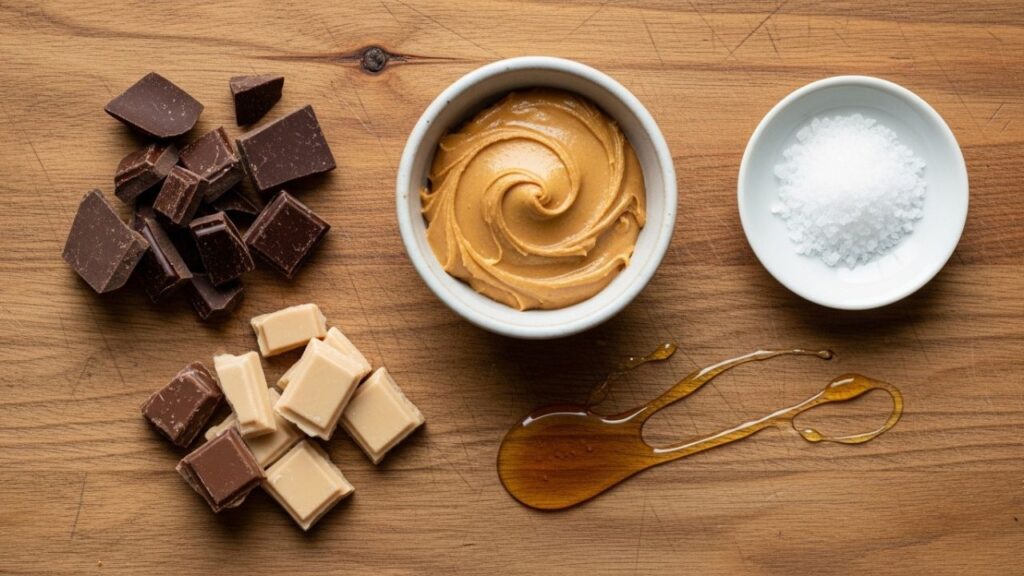
Key Components
- Roasted peanut butter – creamy or slightly chunky for texture.
- Milk or dark chocolate – adds sweetness or depth.
- A touch of salt – enhances flavor contrast.
- Optional sweeteners – honey, sugar, or maple syrup for extra sweetness if desired.
Culinary Background of Peanut Butter Cup Strain Desserts
This pairing has roots in classic American confectionery, where chocolate and peanut butter became staples in the early 20th century. Over time, it has expanded beyond candy into baking, ice cream, breakfast dishes, and dessert-inspired recipes.
Flavor Profile
- Sweetness: From chocolate and added sugars.
- Saltiness: From peanut butter and added salt.
- Bitterness: Subtle notes from dark chocolate.
- Umami depth: From roasted peanuts.
Traditional Ways to Make Peanut Butter Cup Strain Desserts
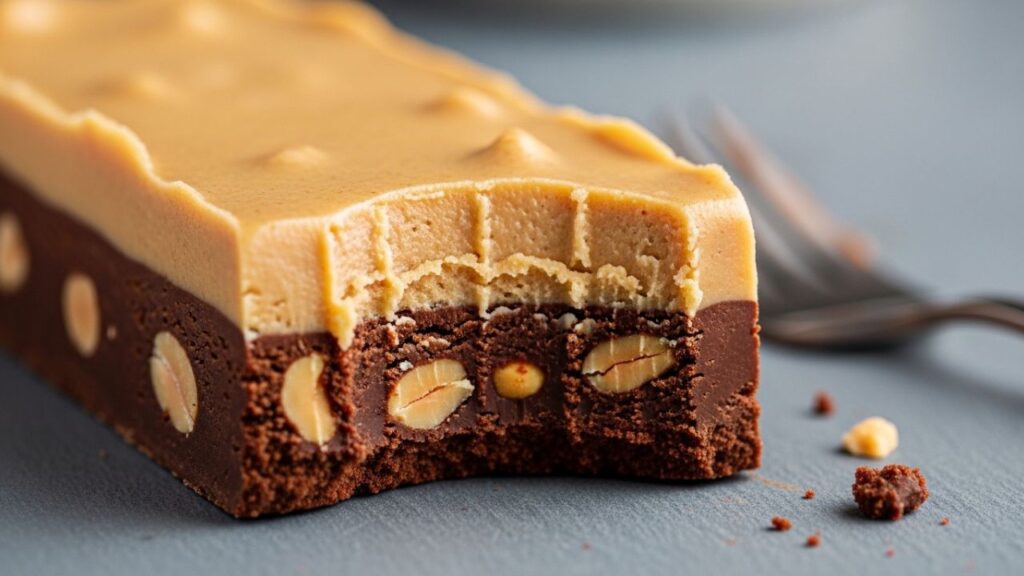
This flavor is typically achieved by layering or blending peanut butter with melted chocolate. Examples include brownies swirled with peanut butter or cookies filled with a creamy center.
Why the Peanut Butter Cup Flavor Shines in Desserts
The appeal lies in balance and contrast:
Flavor Balance
- Sweet chocolate complements the savory richness of peanut butter.
- Salt enhances both sweetness and depth.
- Slight bitterness prevents the dessert from being overly sugary.
Texture Contrast in Peanut Butter Cup Strain Desserts
- Smooth chocolate pairs with creamy or slightly gritty peanut butter.
- Crunchy variations, like chopped peanuts, add extra interest and dimension.
Nutritional Perspective
While indulgent, peanut butter adds:
- Protein – helps keep you full.
- Healthy fats – contributes to satiety.
- A satisfying richness – makes desserts feel indulgent without excess.
Cooking Techniques
This flavor profile adapts well to multiple methods:
- Baking: Cookies, brownies, cakes.
- No-bake desserts: Bars, layered treats.
- Freezing: Ice creams, chilled bars.
Everyday Use
The versatility of this combination makes it perfect for:
- Quick snacks.
- Weekend baking projects.
- Special occasion desserts.
Essential Ingredients for Peanut Butter Cup Flavor Desserts
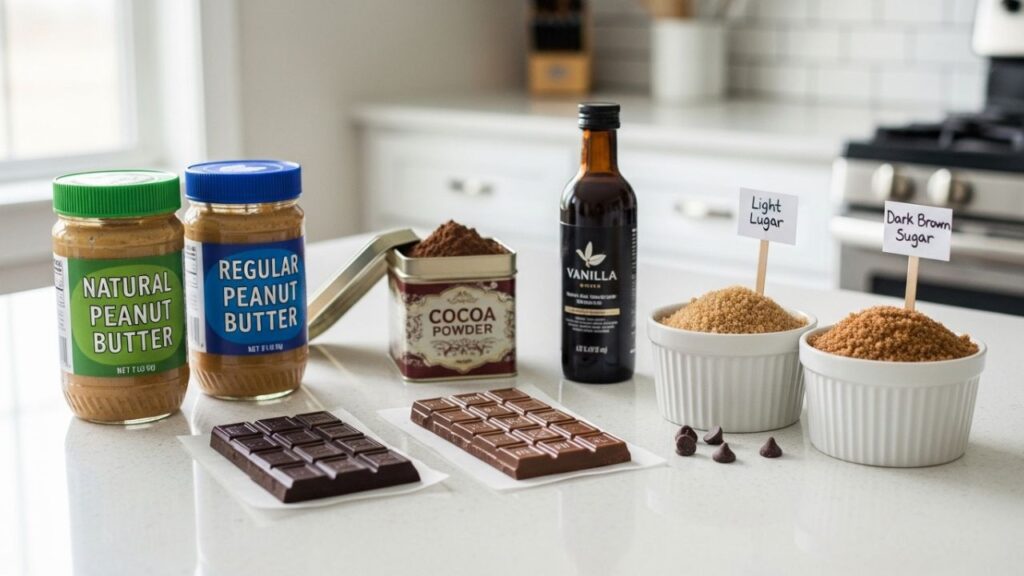
Peanut Butter
- Choose a smooth, creamy texture for easy mixing and a consistent base.
- Natural varieties offer a deeper roasted flavor that pairs beautifully with chocolate.
- Avoid overly sweetened options if you want a balanced taste.
Substitutions:
- Almond butter – for a milder, nutty flavor.
- Sunflower seed butter – a nut-free alternative that still gives a creamy texture.
Best Chocolate for Peanut Butter Cup Strain Recipes
- Dark chocolate (60–70%) adds richness and depth.
- Milk chocolate creates a sweeter, creamier result for a dessert-friendly profile.
Budget Tip:
- Use good-quality chocolate chips; they melt well and are often more affordable than bars.
Sweeteners
- Brown sugar adds a rich, caramel-like depth.
- Honey or maple syrup provides a softer, natural sweetness that blends well with peanut butter.
Seasonal Considerations
- Warmer months: Choose no-bake recipes or chilled desserts to keep them light and refreshing.
- Cooler months: Baked treats feel more comforting and are perfect for cozy desserts.
Pantry Enhancers
- Vanilla extract – adds warmth and complexity.
- Sea salt – highlights and balances the sweetness of chocolate and peanut butter.
- Cocoa powder – enhances chocolate intensity and richness.
How to Make Peanut Butter Cup Flavor Desserts
Here’s a simple and versatile method for creating a peanut butter chocolate dessert base. It can be adapted into bars, cups, or layered treats.
1. Prepare the Base
- In a bowl, mix 1 cup peanut butter with 2–3 tablespoons sweetener of your choice.
- Stir until smooth and slightly glossy.
- Cue: The mixture should feel thick but still spreadable.
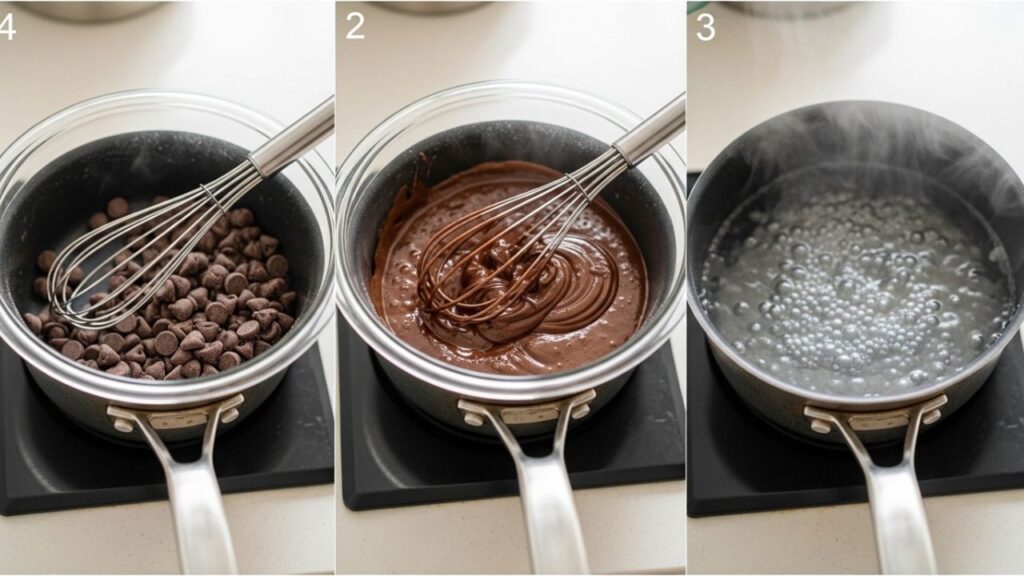
2. Melt the Chocolate
- Gently melt chocolate using a double boiler or microwave in short bursts.
- Stir frequently to prevent burning.
- Cue: The chocolate should be smooth, shiny, and free of lumps.
3. Layering
- Spread the peanut butter mixture evenly into a lined pan.
- Pour the melted chocolate over the top, smoothing it gently.
4. Chill
- Refrigerate the layered dessert for 1–2 hours until firm.
- Cue: The chocolate should set with a slight snap when touched.
5. Slice and Serve
- Cut the dessert into squares or bars.
- Serve as is or garnish with optional toppings.
Troubleshooting Tips
- Chocolate too thick? Add a teaspoon of oil to loosen it.
- Peanut butter too stiff? Warm slightly before mixing.
- Layers separating? Press gently before chilling to help them adhere.
Optional Variations
- Add crushed biscuits or cookies to the peanut butter layer for extra texture.
- Swirl the layers instead of stacking for a marbled effect.
- Sprinkle a little flaky salt on top to enhance flavor.
Peanut Butter Cup Flavor Best Serving Ideas & Pairings
Pairings
Enhance the flavor of your dessert by pairing it thoughtfully:
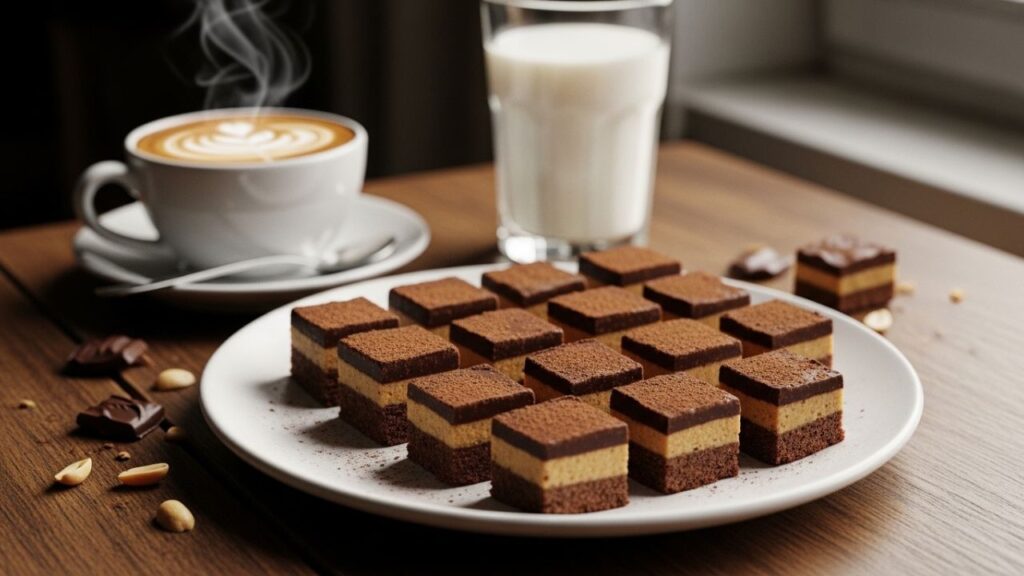
- Coffee or espresso – the slight bitterness balances the sweetness of chocolate and peanut butter.
- Cold milk – highlights the creamy texture and makes each bite richer.
- Fresh fruit – berries or sliced bananas add a refreshing contrast and a touch of natural sweetness.
Plating Ideas for Peanut Butter Cup Strain Desserts
Presentation can elevate the dessert experience:
- Serve in neat squares or rectangles with a light dusting of cocoa powder for elegance.
- Drizzle extra melted chocolate or caramel for visual appeal and added indulgence.
- Garnish with a few whole nuts or edible flowers for a professional touch.
For Gatherings
Make your dessert easy to share and enjoy:
- Cut into bite-sized portions for effortless serving at parties or family gatherings.
- Arrange on a simple platter, combining textures or colors to create a visually appealing display.
Small Household Tips
Keep your dessert convenient for everyday enjoyment:
- Store in small batches to maintain freshness.
- Freeze extra portions for later, ensuring you always have a treat ready.
Seasonal & Holiday Variations for Peanut Butter Cup Flavor
Spring/Summer
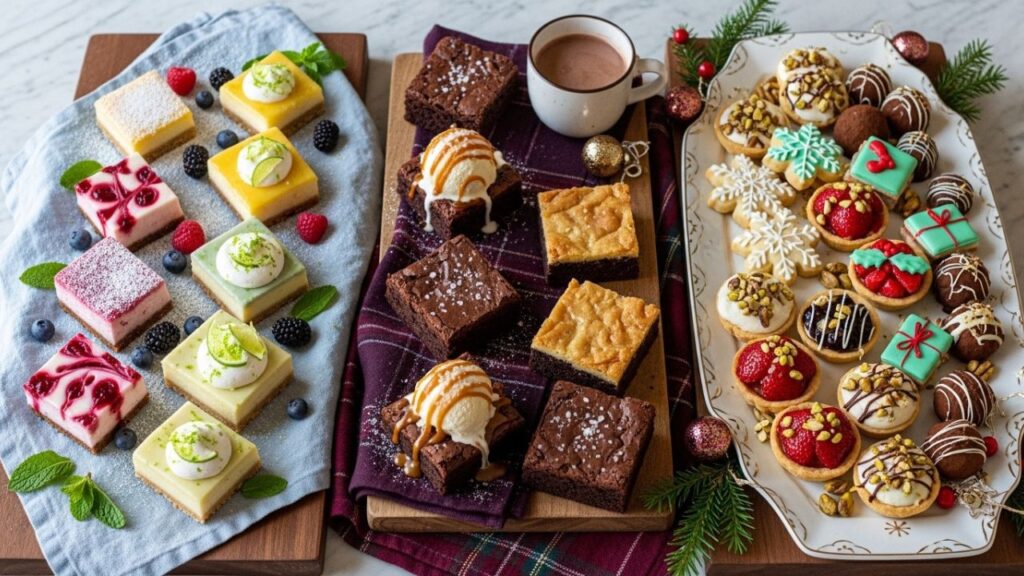
During warmer months, transform this dessert into refreshing no-bake chilled bars. Add a layer of whipped cream, yogurt, or even fresh fruit to enhance the light and creamy texture. Serve chilled for the perfect cool treat.
Fall/Winter
In colder months, incorporate the flavors into warm desserts like brownies, cakes, or baked bars. Adding spices such as cinnamon, nutmeg, or a touch of ginger can give extra depth and seasonal warmth to the dessert.
Holiday Adaptations for Peanut Butter Cup Strain Desserts
For festive occasions, shape the treats into themed molds like stars, hearts, or holiday shapes. Top them with crushed nuts, dried fruits, or a drizzle of chocolate to make them visually appealing and celebratory.
Repurposing Peanut Butter Cup Strain Dessert Leftovers
Leftover pieces can be creatively repurposed: crumble them over ice cream, blend into milkshakes, or use as a crunchy topping for pancakes and waffles. These ideas prevent waste while adding flavor and texture to other desserts.
Storing & Reheating Peanut Butter Cup Flavor Treats
Storage
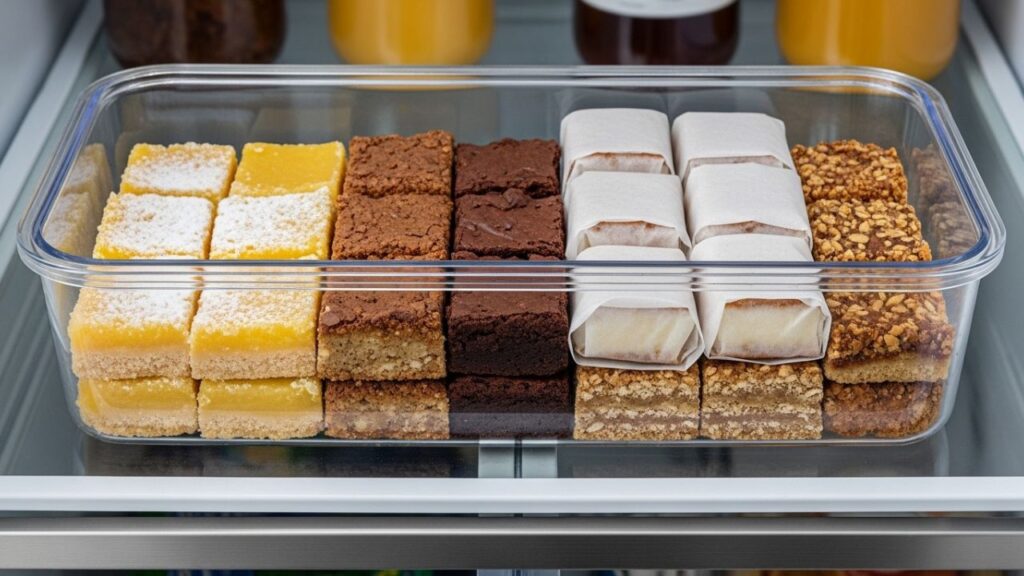
Store your dessert in an airtight container to keep it fresh and prevent it from absorbing odors from other foods. For the best texture and flavor, keep it in the refrigerator, especially if it contains chocolate or peanut butter. Proper storage helps maintain its richness and consistency.
How to Freeze Peanut Butter Cup Strain Treats Properly
You can freeze these treats for up to 2 months without compromising much on taste or texture. For convenience, wrap individual pieces in parchment paper or plastic wrap before placing them in a freezer-safe container. This makes it easier to grab single servings whenever needed.
Reheating
Reheating is usually not necessary for this type of dessert, as it’s often enjoyed chilled or at room temperature. However, if you prefer a softer texture, simply let it sit out for a few minutes before serving. This helps bring out the creamy consistency.
Food Safety
Avoid leaving the dessert out in warm conditions for extended periods, as it may melt or spoil. Always use clean utensils when handling or serving to prevent contamination. Proper hygiene ensures the dessert stays safe and enjoyable to eat.
How Long Peanut Butter Cup Strain Desserts Stay Fresh
When stored in the refrigerator, the dessert can last up to 1 week while maintaining good quality. If frozen, it can be kept for up to 2 months. Always check for any changes in smell or texture before consuming after storage.
Peanut Butter Cup Strain Dessert Mistakes to Watch For
Overheating Chocolate
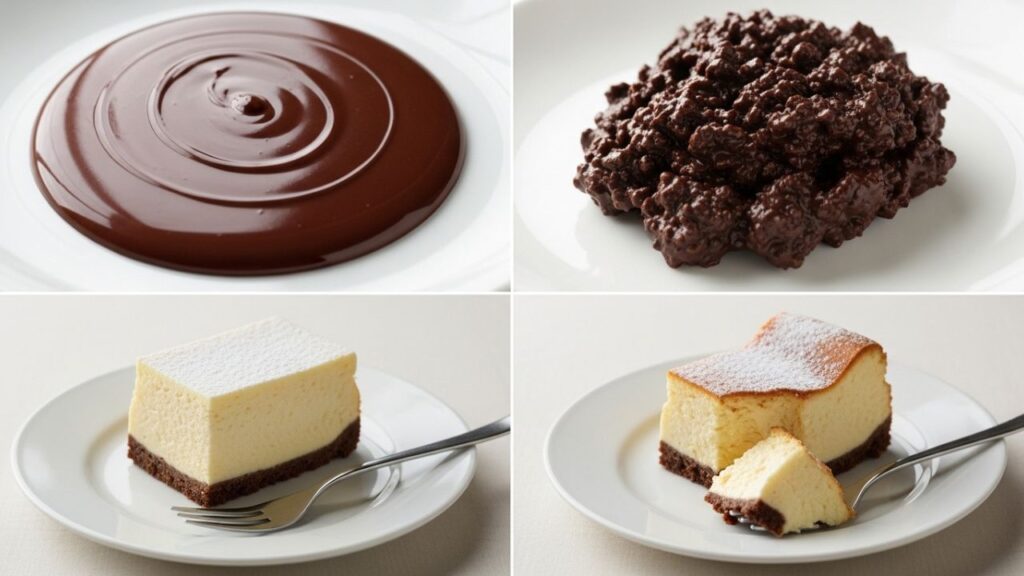
- Overheating can cause chocolate to become grainy or burnt, ruining the smooth texture.
- Tip: Always melt chocolate slowly using a double boiler or microwave in short bursts, stirring frequently.
Too Much Sweetness
- Excess sugar can overwhelm the peanut butter flavor and make the dessert cloying.
- Tip: Balance sweetness with a pinch of salt or use natural sweeteners like honey or maple syrup.
Poor Ingredient Preparation
- Using cold peanut butter or chocolate can make mixing difficult and uneven.
- Tip: Bring ingredients to room temperature before combining for a smooth, uniform mixture.
Skipping Chill Time
- Not allowing the dessert to chill can result in messy layers that don’t set properly.
- Tip: Be patient—refrigerate for the recommended 1–2 hours to achieve firm, well-structured layers.
Texture Issues
- Too soft: Chill longer to allow the chocolate and peanut layers to firm up.
- Too hard: Let the dessert rest at room temperature for a few minutes before serving to soften slightly for a better bite.
Frequently Asked Questions
1. What Makes Peanut Butter and Chocolate Work So Well Together?
Peanut butter and chocolate complement each other by balancing sweet, salty, and rich flavors. The creaminess of peanut butter pairs perfectly with the smooth texture of chocolate. Together, they create a satisfying and indulgent taste experience.
2. Can I Use Natural Peanut Butter in Recipes?
Yes, natural peanut butter can be used in most recipes without any issues. Just make sure to stir it thoroughly before using, as the oil tends to separate. This helps maintain a smooth and even consistency in your dish.
3. Is Dark or Milk Chocolate Better for This Flavor Profile?
Both dark and milk chocolate work well, depending on your preference. Dark chocolate offers a deeper, slightly bitter contrast to the sweetness of peanut butter. Milk chocolate, on the other hand, creates a sweeter and creamier combination.
4. How Do I Prevent Chocolate from Seizing?
To prevent chocolate from seizing, melt it slowly using low heat or a double boiler. Avoid any contact with water or steam, as even a small amount can ruin the texture. Stir gently to keep it smooth and glossy.
5. Can I Make This Flavor Profile in No-Bake Desserts?
Absolutely, this flavor combination is perfect for no-bake desserts. It works especially well in chilled treats like bars, cheesecakes, and layered desserts. The flavors blend beautifully without needing baking.
6. What’s a Good Nut-Free Alternative?
A great nut-free alternative is sunflower seed butter, which has a similar creamy texture. It provides a slightly earthy taste but still pairs well with chocolate. It’s ideal for those with nut allergies or dietary restrictions.
Conclusion
The peanut butter cup flavor profile remains a timeless favorite because it strikes a careful balance between indulgence and familiarity. With just a few ingredients, it’s possible to create desserts that feel both comforting and thoughtfully prepared.
Whether you prefer baked treats or quick no-bake options, this combination adapts easily to your kitchen style. By focusing on quality ingredients and simple techniques, you can consistently achieve satisfying results that suit both everyday cravings and special occasions.
About the Author
A passionate home cook and food writer, the author enjoys exploring classic flavor combinations and turning them into approachable recipes for everyday kitchens. With a focus on balance and simplicity, they aim to help readers create meals and desserts that feel both comforting and thoughtfully made.