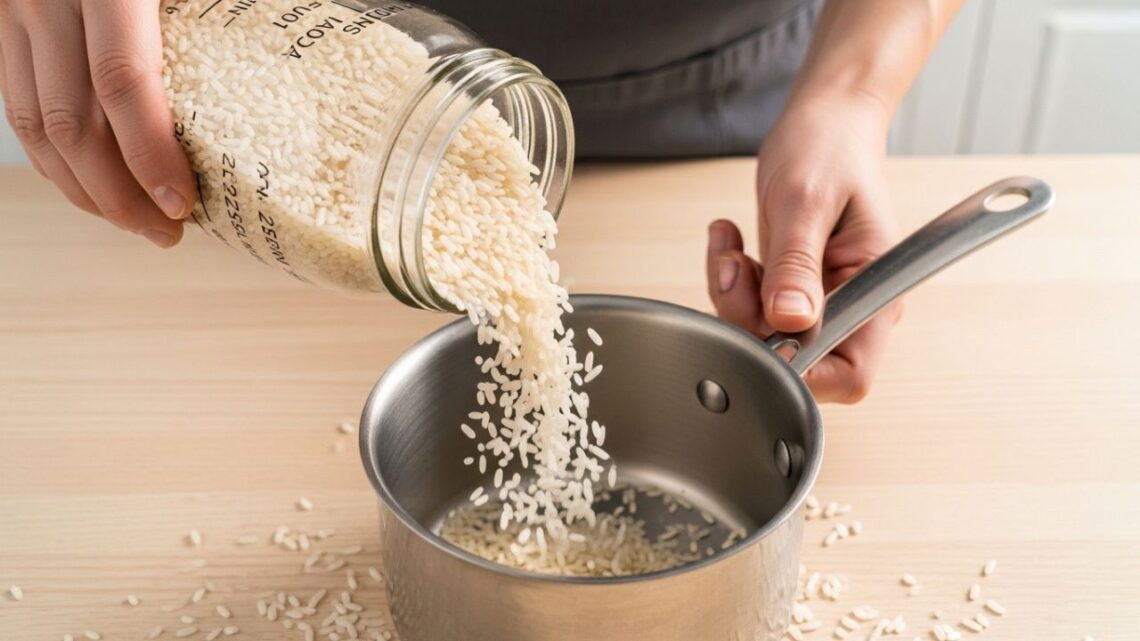
Rice is one of the most widely cooked foods in home kitchens around the world. Yet many recipes are designed for larger families or gatherings, which can make it difficult for individuals or small households to prepare the right amount. Learning how to cook pint rice—a simple measurement-based approach for small portions—helps solve this problem in a practical way.
A pint is a traditional volume measurement often used in cooking and food storage. When applied to rice, it offers a convenient way to measure and prepare just enough for a meal without creating excess leftovers. This approach is especially helpful for single cooks, couples, or anyone who prefers freshly cooked rice rather than reheated batches.
Cooking smaller portions of rice also allows for more flexibility in the kitchen. It becomes easier to pair rice with quick weekday meals, light lunches, or simple vegetable dishes. In my kitchen, I often rely on small-batch rice when preparing quick dinners, since it cooks faster and stays wonderfully fluffy when the proportions are right.
Understanding how to measure and cook pint rice properly ensures consistent texture, balanced moisture, and a reliable result every time.
What Is Pint Rice?
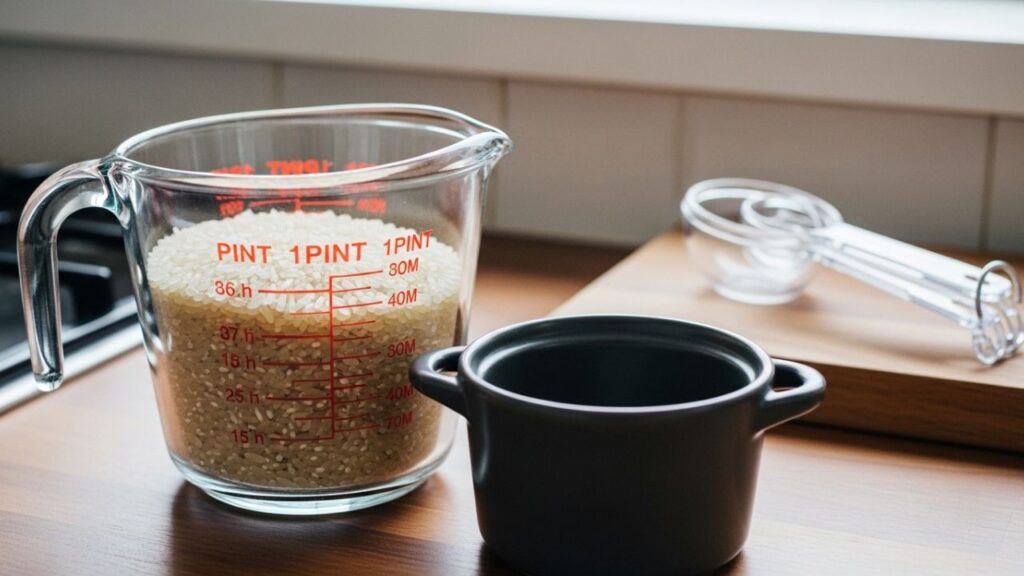
Pint rice refers to rice measured using a pint-sized container, typically equal to about two cups in volume. While traditional rice recipes often rely on cups, using a pint measurement can simplify small-batch cooking.
This method works well for a variety of rice types, including:
- Long-grain white rice
- Basmati rice
- Jasmine rice
- Medium-grain rice
- Brown rice (with adjusted cooking time)
The concept itself is less about a specific rice variety and more about portion control through measurement. By measuring rice in pint-sized quantities, cooks can easily scale recipes for smaller meals.
Cultural and Culinary Context
Rice has long been measured by volume in many culinary traditions. In various regions, household containers such as bowls, cups, or jars are commonly used rather than precise kitchen scales. The pint measurement simply continues that tradition of practical, everyday cooking.
Flavor Profile
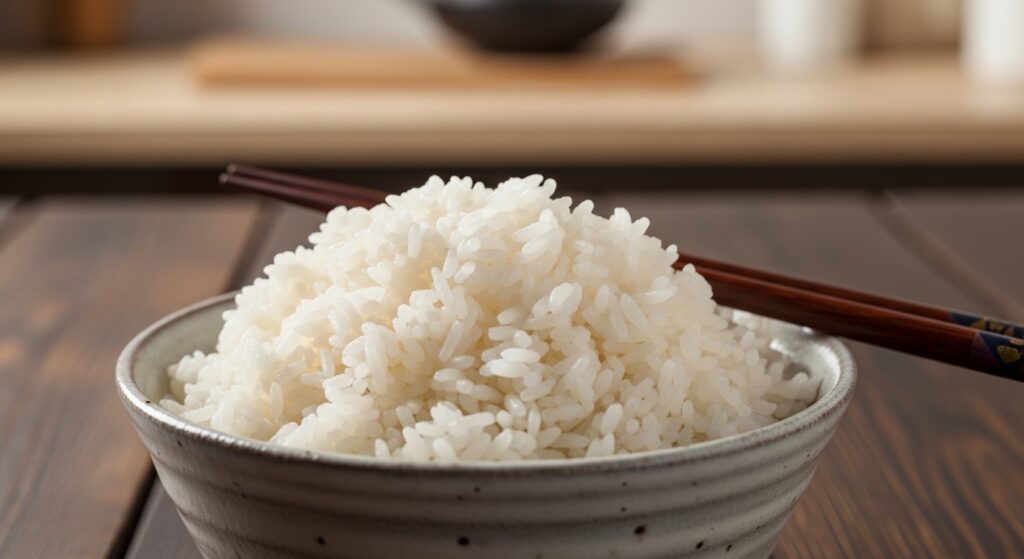
Rice itself has a mild, slightly nutty flavor that pairs well with countless ingredients. When cooked correctly, pint rice should be:
- Light and fluffy
- Slightly tender with separate grains
- Mild enough to complement sauces, vegetables, or proteins
Traditional Preparation
Traditionally, rice is cooked by simmering it in water until the grains absorb the liquid and become tender. The pint method follows the same principle but focuses on preparing a manageable portion rather than a large pot.
Why Pint Rice Is So Effective
Cooking rice in small batches provides several advantages that often go unnoticed in larger recipes.
Balanced Texture
When rice is cooked in smaller quantities, it tends to cook more evenly. The grains absorb moisture consistently, producing a lighter and more uniform texture.
Improved Flavor Control
Small-batch cooking makes it easier to adjust seasoning. A pinch of salt, a drizzle of oil, or a small knob of butter can subtly enhance the natural flavor of rice without overwhelming it.
Practical Portion Sizes
Preparing a pint of rice usually yields two to four servings, depending on appetite. This makes it ideal for:
- Couples
- Single cooks
- Quick lunches
- Small family meals
Nutritional Value
Rice provides important dietary energy and contains:
- Carbohydrates for sustained energy
- Small amounts of protein
- Trace minerals such as magnesium and phosphorus
When paired with vegetables, legumes, or lean proteins, rice becomes the foundation of a balanced meal.
Simple Cooking Techniques
The pint rice method uses a straightforward process:
- Measure
- Rinse
- Simmer
- Rest
These basic steps make it accessible even for beginner cooks.
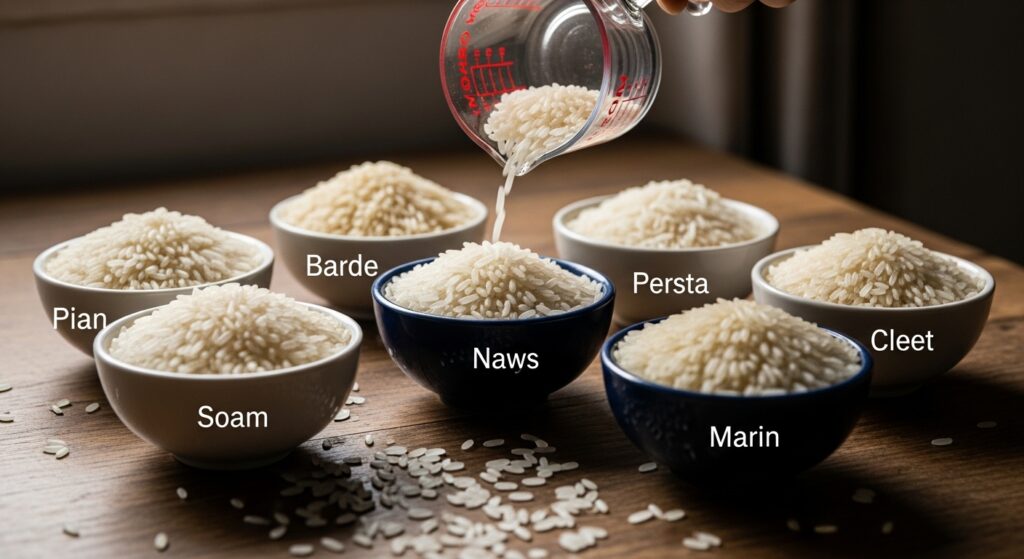
Pint Rice Recipe Ingredients List
Cooking excellent rice begins with choosing good ingredients.
Selecting Quality Rice
Look for rice that appears:
- Clean and free from debris
- Uniform in color
- Whole, unbroken grains
Fresh rice should have a neutral scent and feel dry and firm.
Rice Variety Options
Different rice types bring slightly different textures.
Long-grain rice
- Light and fluffy
- Grains stay separate
Basmati rice
- Aromatic
- Delicate and elongated grains
Jasmine rice
- Slightly sticky
- Fragrant and soft
Brown rice
- Nutty flavor
- Higher fiber content
Ingredient Substitutions for Pint Rice
If your recipe calls for a specific rice but you only have another variety, adjustments can help.
For example:
- Substitute jasmine rice for long-grain rice with slightly less water.
- Brown rice may require additional cooking time and extra liquid.
Budget-Friendly Options for Pint Rice
Rice is naturally affordable, and bulk purchasing can make it even more economical. Store dry rice in airtight containers to preserve freshness.
Pantry Staples That Enhance Rice
A few simple ingredients can elevate the flavor:
- Salt
- Olive oil or butter
- Bay leaf
- Garlic
- Broth instead of water
These additions should be subtle, allowing the rice to remain versatile.
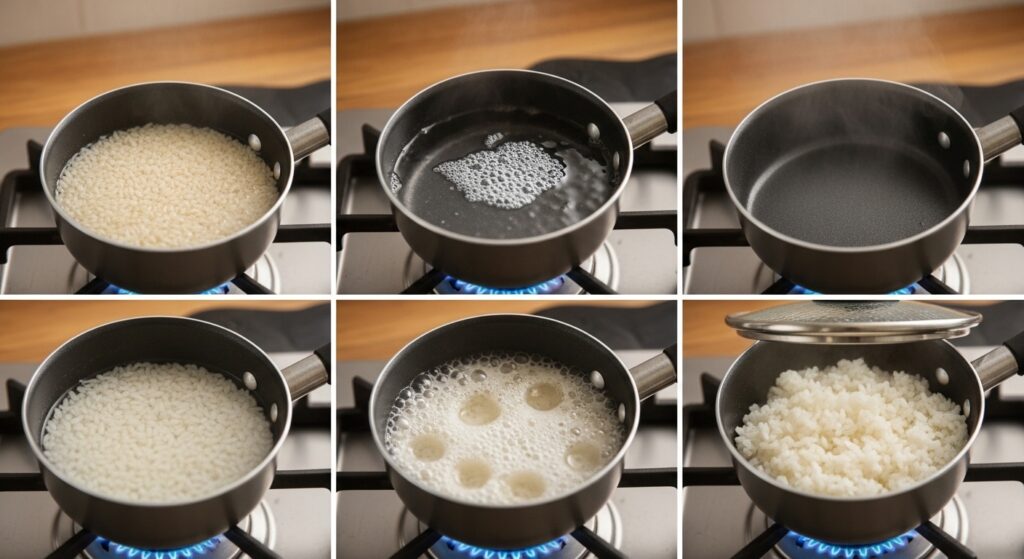
Simple Method to Cook Pint Rice
Cooking pint rice requires careful attention to measurement and timing.
1. Measure the Rice
Start with 1 pint of dry rice, roughly equivalent to 2 cups.
For most white rice varieties, the standard ratio is:
- 1 pint rice
- 2 pints water
Brown rice may require slightly more liquid.
2. Rinse the Rice
Place the rice in a bowl and rinse it under cold water.
Swirl the grains gently until the water runs mostly clear. This step removes excess starch and helps prevent clumping.
3. Combine Ingredients for Pint Rice
Add the rinsed rice and water to a small saucepan.
Optional additions include:
- A pinch of salt
- A teaspoon of oil or butter
4. Bring to a Gentle Boil
Place the saucepan over medium heat.
Once the water begins to boil, reduce the heat to low and cover the pot with a lid.
5. How to Simmer Pint Rice
Allow the rice to cook gently without stirring.
Typical cooking times:
- White rice: 15–18 minutes
- Jasmine rice: 12–15 minutes
- Brown rice: 35–40 minutes
6. Rest the Rice
After cooking, remove the pot from heat and let it sit covered for about 10 minutes.
This resting period allows steam to redistribute moisture throughout the rice.
7. Fluff and Serve
Use a fork to gently fluff the rice, separating the grains.
Troubleshooting Tips
If rice becomes too soft:
- Reduce cooking time slightly.
If rice remains firm:
- Add a small splash of water and cook for a few additional minutes.
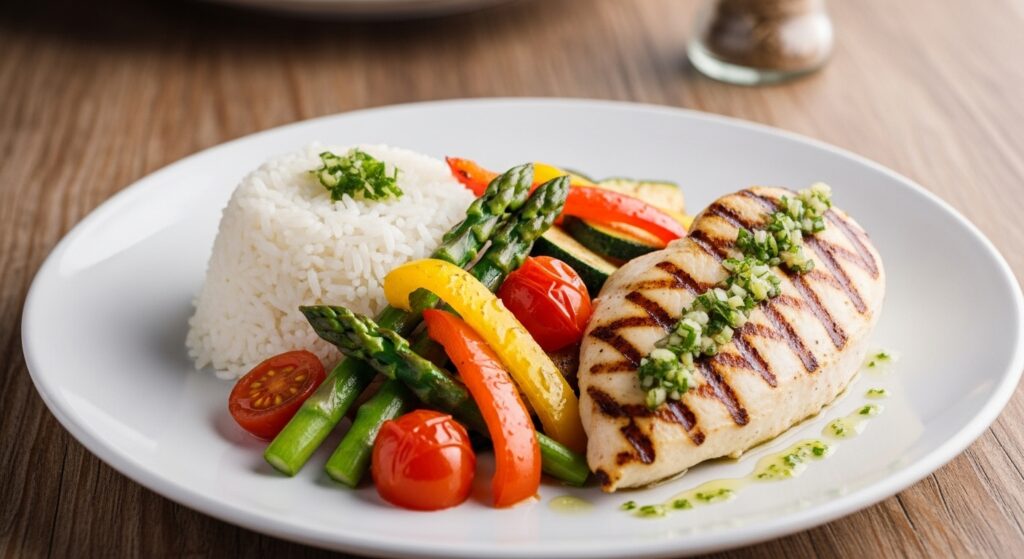
Serving Suggestions for Pint Rice
Pint rice works well as a versatile base for many dishes.
Ideal Pairings
Rice pairs beautifully with:
- Grilled chicken or fish
- Roasted vegetables
- Stir-fried dishes
- Lentil or bean stews
pint rice plating Ideas
For an appealing presentation:
- Serve rice in a shallow bowl
- Garnish with fresh herbs such as parsley or cilantro
- Add colorful vegetables for contrast
Serving Pint Rice for Gatherings
If cooking for guests, simply double the pint measurement. The cooking method remains the same.
Portion Tips for Small Households
A single pint batch can be divided into:
- Two generous servings
- Three to four lighter portions
This flexibility helps minimize food waste.
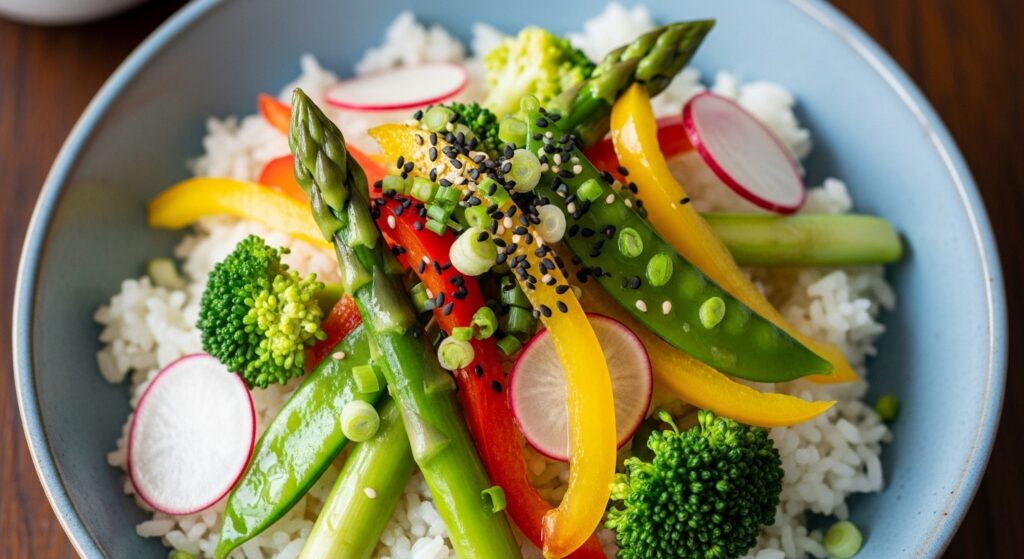
Seasonal and Occasion Variations for Pint Rice
Rice adapts easily to seasonal ingredients.
Spring and Summer
Add lighter elements such as:
- Fresh herbs
- Lemon zest
- Steamed vegetables
- Light vinaigrettes
Fall and Winter
For colder months, rice can be paired with heartier flavors:
- Roasted squash
- Mushrooms
- Warm spices
- Slow-cooked stews
Holiday Adaptations for Pint Rice
Rice can become a festive side dish when combined with:
- Toasted nuts
- Dried fruit
- Aromatic spices
Refreshing Leftovers of Pint Rice
Leftover rice can be transformed into:
- Fried rice with vegetables
- Rice salads
- Stuffed vegetables
- Quick grain bowls
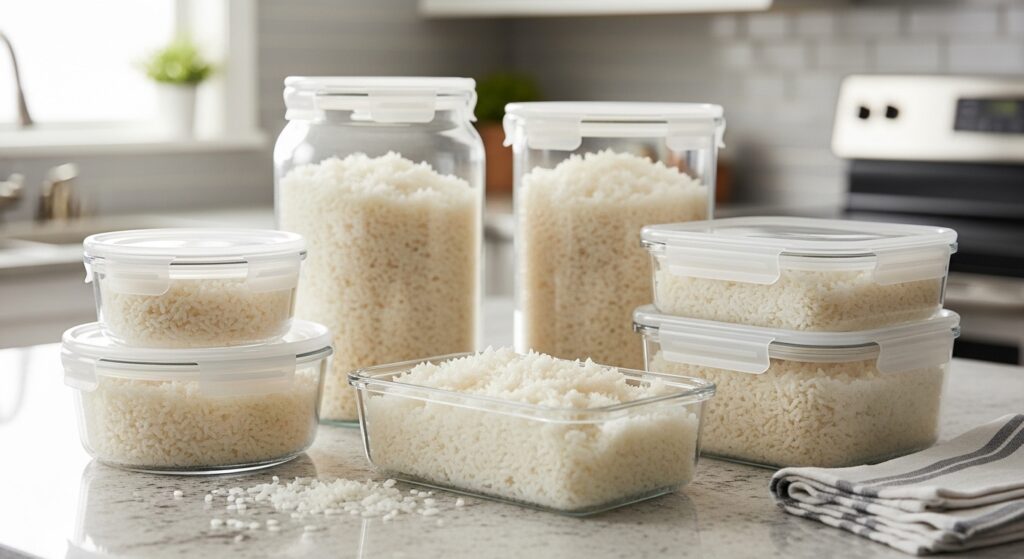
Storage and Reheating Tips for Pint Rice
Proper storage helps maintain both flavor and safety.
Refrigeration
Allow rice to cool slightly before transferring it to an airtight container.
Refrigerate within two hours of cooking.
Cooked rice keeps well in the refrigerator for 3 to 4 days.
Freezing
Rice can also be frozen in portion-sized containers for up to three months.
Reheating Methods
To reheat rice:
- Add a small splash of water
- Cover the container
- Heat gently in the microwave or on the stovetop
Steam helps restore the original soft texture.
Food Safety
Always reheat rice until steaming hot, and avoid leaving cooked rice at room temperature for extended periods.
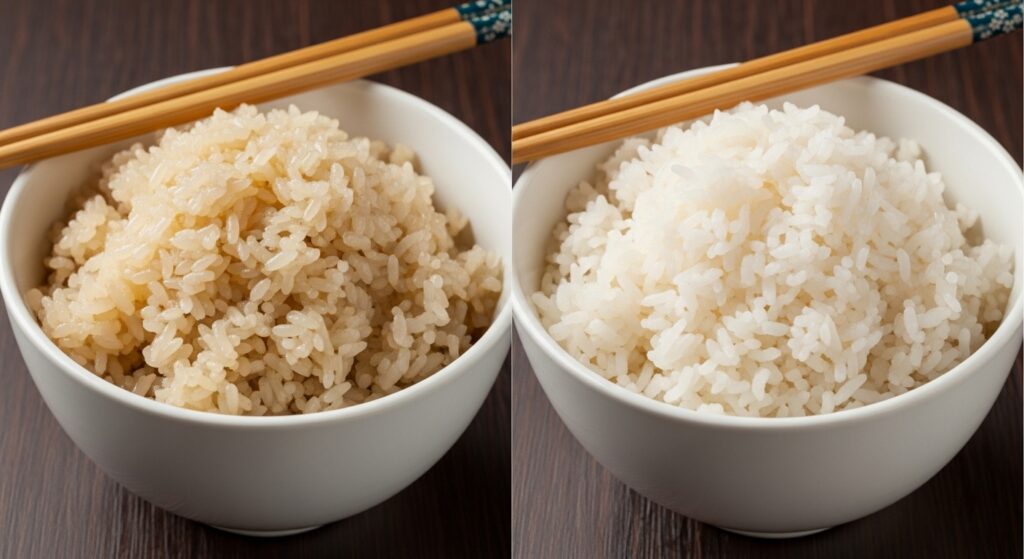
Correct water ratios and cooking time make the difference between sticky rice and perfectly fluffy grains.
Common Mistakes to Avoid
1. Using Too Much Water
If you add more water than required while cooking rice, it can become overcooked and mushy. Different types of rice require different water ratios, so accurate measurement is very important. Using a measuring cup helps ensure consistent results every time.
2. Skipping the Rinse
Rinsing rice before cooking is an essential step. It removes excess surface starch that can otherwise make the rice overly sticky. Wash the rice at least 2–3 times until the water runs relatively clear.
3. Avoid Stirring During Cooking
Stirring rice frequently while it is cooking is a common mistake. It can break the grains and release starch, causing the rice to become sticky. It is best to let the rice cook undisturbed and only check it when necessary.
4. Not Allowing Rest Time
Serving rice immediately after cooking can affect its texture. Letting it rest, covered, for about 5–10 minutes allows the steam to distribute evenly. This results in fluffier rice with separate grains.
5. Cooking at Too High Heat
Cooking rice on high heat increases the risk of burning at the bottom while leaving the top undercooked. Always cook rice on medium to low heat to ensure even cooking and better flavor.
Frequently Asked Questions
1. How much cooked rice does a pint of dry rice make?
A pint of dry rice usually produces around four to six cups of cooked rice. The exact amount may vary depending on the type of rice and how it is cooked.
2. Do I need to rinse rice every time?
Rinsing rice is recommended for most white rice varieties to remove excess starch. This helps prevent stickiness and improves the overall texture of the cooked rice.
3. Can pint rice be cooked in a rice cooker?
Yes, pint rice can easily be cooked in a rice cooker using the same water ratio. Simply follow the standard settings of your rice cooker for best results.
4. Is brown rice suitable for the pint method?
Yes, brown rice works well with the pint method but requires more cooking time. You should also add slightly more water compared to white rice.
5. Why does my rice turn sticky?
Rice often becomes sticky due to too much water or not rinsing it properly. Stirring during cooking can also release starch, making the rice clump together.
6. Can I season rice while it cooks?
Yes, you can enhance the flavor by adding salt, broth, or spices أثناء cooking. Ingredients like garlic or bay leaves can also give the rice a richer taste.
Conclusion
Cooking pint rice is a practical technique that brings flexibility and balance to everyday meals. By measuring rice in smaller quantities, home cooks can prepare just the right portion without sacrificing flavor or texture.
The process itself is simple: measure carefully, rinse thoroughly, simmer gently, and allow the rice to rest before serving. These small steps create a light and fluffy result that complements a wide variety of dishes.
In many kitchens, rice becomes the quiet foundation of a meal—reliable, adaptable, and comforting. When cooked with attention and care, even a small pot of rice can turn an ordinary dinner into something satisfying and thoughtfully prepared.
About the Author
The author is a home cook and food enthusiast who enjoys exploring practical cooking techniques that make everyday meals more enjoyable. With a focus on simple ingredients and approachable methods, they share guides designed to help readers feel confident in the kitchen. Their writing celebrates balanced flavors, seasonal cooking, and the pleasure of preparing meals at home.