Salvadoran meals are a treasure trove of flavors, showcasing the rich cultural heritage of El Salvador. These meals are deeply rooted in tradition, offering a delightful combination of indigenous ingredients and international influences. Whether you’re a fan of hearty dishes like pupusas or sweet treats like tres leches cake, Salvadoran cuisine has something for everyone. In this article, we’ll explore the flavors, dishes, and ingredients that make Salvadoran meals so unique and popular worldwide.
What Makes Salvadoran Meals So Special?
Salvadoran meals are known for their vibrant flavors and unique combination of ingredients. Corn, beans, and rice are staples in most Salvadoran dishes. These ingredients are often complemented by proteins such as pork, beef, and chicken. The use of fresh vegetables like tomatoes, onions, and cilantro is also common, adding both flavor and texture to the meals. Salvadoran cuisine is heavily influenced by the country’s agricultural practices, and many of the ingredients are sourced locally.
One standout feature of Salvadoran meals is their simplicity. Despite using basic ingredients, the meals are packed with flavor. The cooking techniques are straightforward, but the combination of spices and seasonings brings out the best in each dish. Salvadoran meals are often enjoyed in communal settings, reinforcing the culture of family and community.
The Iconic Salvadoran Meal: Pupusas
Pupusas are by far the most famous Salvadoran meal. They fill these thick corn tortillas with a variety of ingredients, such as cheese, beans, pork, or a combination of these. They knead the dough by hand, creating a soft, slightly chewy texture. People typically serve pupusas with curtido, a fermented cabbage slaw, and salsa roja, a spicy tomato-based sauce.
Pupusas are not just a meal; they are a cultural experience. The tradition of making pupusas dates back to indigenous times, and they are still enjoyed by Salvadorans of all ages. They are eaten for breakfast, lunch, or dinner, and they hold a special place in Salvadoran society. Whether sold on street corners or served in homes, pupusas are a beloved part of Salvadoran cuisine.
Salvadoran Meals: Tamales
Tamales are another classic Salvadoran meal. They make these tamales with a corn dough base, often filling them with meats like chicken, pork, or beef, and sometimes vegetables or olives. Salvadoran tamales differ from those in other Latin American countries because people wrap them in banana leaves instead of corn husks, giving them a unique flavor.
Tamales are often prepared for special occasions or holidays, but they are also enjoyed year-round. The process of making tamales is usually a family affair, with everyone pitching in to prepare and wrap the tamales. Once cooked, they are often served with a side of curtido or salsa roja, adding extra flavor and texture to the dish.
Yuca Frita: A Staple Side Dish in Salvadoran Meals
Yuca frita is a popular side dish in Salvadoran meals. They call it cassava, a starchy root vegetable that they fry until crispy on the outside and soft on the inside. People typically serve it with curtido or a spicy tomato salsa, making it a flavorful accompaniment to any meal.
Yuca frita is often served alongside main dishes like sopa de res or grilled meats. It’s also enjoyed as a snack or appetizer in Salvadoran households. The contrast between the crispy exterior and soft interior of the yuca makes it a satisfying and comforting dish.
Sopa de Res: Hearty Beef Soup
Sopa de res is a traditional Salvadoran beef soup that is both hearty and nourishing. They make it by simmering beef shank with a variety of vegetables like corn, carrots, potatoes, and squash. The process creates a flavorful broth packed with tender beef and vegetables that soak up all the spices and seasonings.
This comforting soup is often served with rice and tortillas, making it a complete meal. It’s especially popular on colder days when you need something warm and filling. Salvadorans often enjoy sopa de res during family gatherings, where it’s shared among loved ones.
Salvadoran Desserts: Sweet Endings to Your Meal
No Salvadoran meal is complete without a dessert. Tres leches cake is one of the most popular desserts in El Salvador. They soak this sponge cake in three types of milk—evaporated, sweetened condensed, and whole milk—giving it a rich, moist texture. They often top it with whipped cream or fruit for added sweetness.
Another favorite Salvadoran dessert is arroz con leche, a creamy rice pudding flavored with cinnamon and sugar. This dish is simple yet satisfying, making it a perfect conclusion to any Salvadoran meal.
Refreshing Beverages to Pair with Salvadoran Meals
Salvadoran meals are often enjoyed with refreshing beverages that complement the bold flavors of the food. One of the most popular drinks is horchata, a sweet, creamy beverage made from rice, almonds, and cinnamon. They often serve it cold, making it a perfect match for spicy or savory dishes like pupusas and tamales.
People make frescos with fresh fruit juices from ingredients like mango, papaya, or watermelon. These drinks are light and refreshing, providing a burst of natural sweetness that balances the savory flavors of the meals. For something warmer, atole, a cornmeal-based drink, is a traditional favorite, especially when served with tamales or other hearty dishes.
Salvadoran Street Food: Quick and Delicious Meals
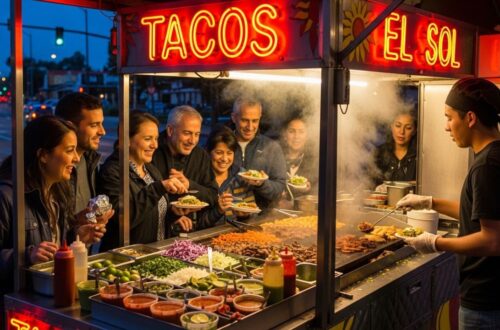
Salvadoran street food is an essential part of the country’s culinary culture. From tacos filled with beef, chicken, or pork to empanadas filled with sweet or savory ingredients, Salvadoran street food is both affordable and delicious. These quick bites are perfect for those on the go, offering a taste of Salvadoran flavors in a convenient form.
Street vendors sell their goods to passersby throughout El Salvador. They often prepare these dishes fresh, using simple ingredients that showcase the country’s agricultural abundance. Vendors also commonly sell pupusas as street food, making it easy to enjoy this Salvadoran classic wherever you are.
Salvadoran Meals and Their Cultural Significance
Salvadoran meals are more than just food; they are a reflection of the country’s cultural identity. Indigenous traditions, Spanish influences, and the agricultural practices of the Salvadoran people shape the cuisine. Families and friends often share meals, emphasizing the importance of community and togetherness in Salvadoran culture.
Salvadoran cuisine connects deeply to the land. Local farmers grow many of the ingredients used in these meals, highlighting the country’s agricultural richness. Corn, beans, and vegetables form the backbone of Salvadoran meals, with meats like pork and beef adding depth and variety to the dishes.
Why You Should Try Salvadoran Meals
If you haven’t experienced Salvadoran meals, it’s time to dive in. From the savory flavors of pupusas and tamales to the sweet delights of tres leches cake, Salvadoran cuisine offers something for everyone. The simplicity of the ingredients, combined with the boldness of the flavors, makes each dish an unforgettable experience.
Whether you’re at a Salvadoran restaurant or trying to cook the dishes at home, you’ll find that Salvadoran meals are not only delicious but also deeply connected to the culture and history of El Salvador. So, the next time you’re in the mood for something flavorful and satisfying, consider exploring the world of Salvadoran meals.
Conclusion
Salvadoran meals are a beautiful reflection of the country’s rich cultural heritage. The flavors, ingredients, and cooking techniques used in Salvadoran cuisine make it unique and deeply satisfying. From pupusas to tamales to the delicious desserts, every dish offers a taste of El Salvador’s history and traditions. If you’ve never tried Salvadoran food before, now is the perfect time to experience it. You’re sure to enjoy every bite!
FAQs
1. What is a pupusa?
They make a pupusa by filling a thick corn tortilla with cheese, beans, or pork. People serve it as a popular Salvadoran dish with curtido (cabbage slaw) and salsa roja.
2. What are common ingredients in Salvadoran meals?
Salvadoran meals often include corn, beans, rice, beef, chicken, and fresh vegetables, all seasoned with local spices and flavors.
3. What is yuca frita?
They deep-fry yuca frita, making it crispy on the outside and soft on the inside. People commonly eat it as a side dish or snack with curtido or salsa.
4. What is the most popular Salvadoran dessert?
The most popular dessert is tres leches cake, a moist cake soaked in three types of milk, giving it a rich, sweet flavor.
5. Can I try Salvadoran meals outside of El Salvador?
Many Latin American restaurants worldwide serve Salvadoran meals like pupusas and tamales, especially in areas with Salvadoran communities.