Soft serve ice cream holds a special place in the world of desserts. With its light, airy texture and smooth consistency, it offers a different experience from traditional scooped ice cream. Whether enjoyed in a cone on a warm afternoon or dressed up with toppings for a special treat, soft serve flavors have a way of appealing to both nostalgia and modern taste preferences.
What makes soft serve particularly interesting is its versatility. From classic vanilla and chocolate to more inventive fruit-based and seasonal flavors, there’s a wide range to explore. It’s not just about sweetness—it’s about balance, texture, and creativity.
Home cooks, dessert enthusiasts, and even casual food lovers can benefit from understanding how soft serve flavors work. In my kitchen, I’ve found that experimenting with simple ingredients—like fresh fruit purées or a touch of spice—can transform a basic base into something memorable.
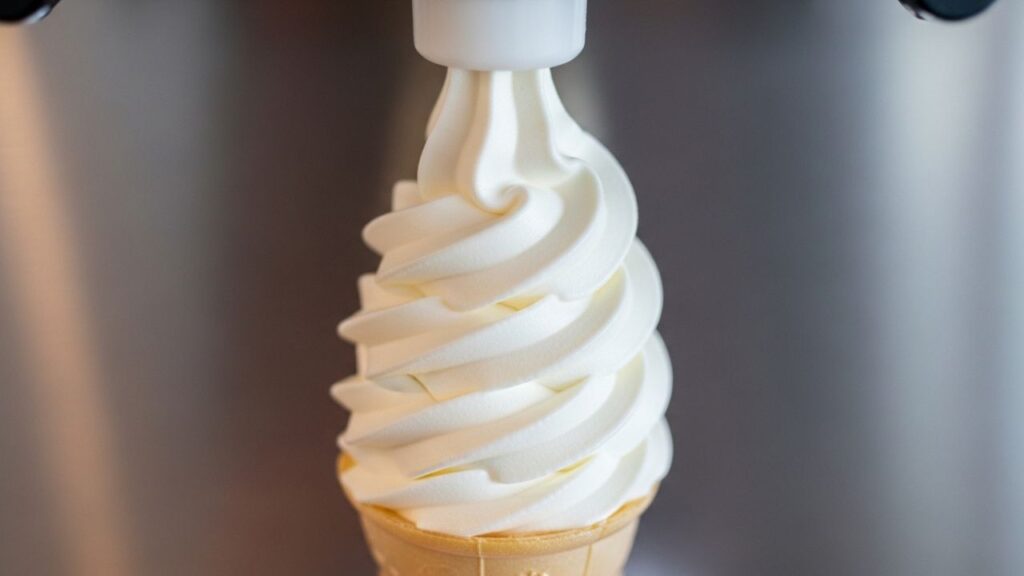
What Is Soft Serve Ice Cream?
Soft serve is a type of frozen dessert that is similar to traditional ice cream but churned and served at a slightly warmer temperature. This gives it a softer, creamier texture that’s easy to swirl and shape.
Key Ingredients
Most soft serve bases include:
- Milk or cream
- Sugar
- Stabilizers (like gelatin or cornstarch)
- Flavorings (vanilla, cocoa, fruit, etc.)
Culinary Background
Soft serve became widely popular in the mid-20th century as machines made it easier to produce and serve fresh, aerated ice cream on demand. Its signature swirl and light texture quickly made it a favorite in casual dining and dessert shops.
Flavor Profile
Soft serve flavors tend to be:
- Mild yet rich
- Creamy with a subtle sweetness
- Less dense than traditional ice cream
Traditional Preparation
Soft serve is made by churning the mixture while incorporating air, then dispensing it directly from a machine. At home, similar results can be achieved using ice cream makers or no-churn methods with whipped cream bases.
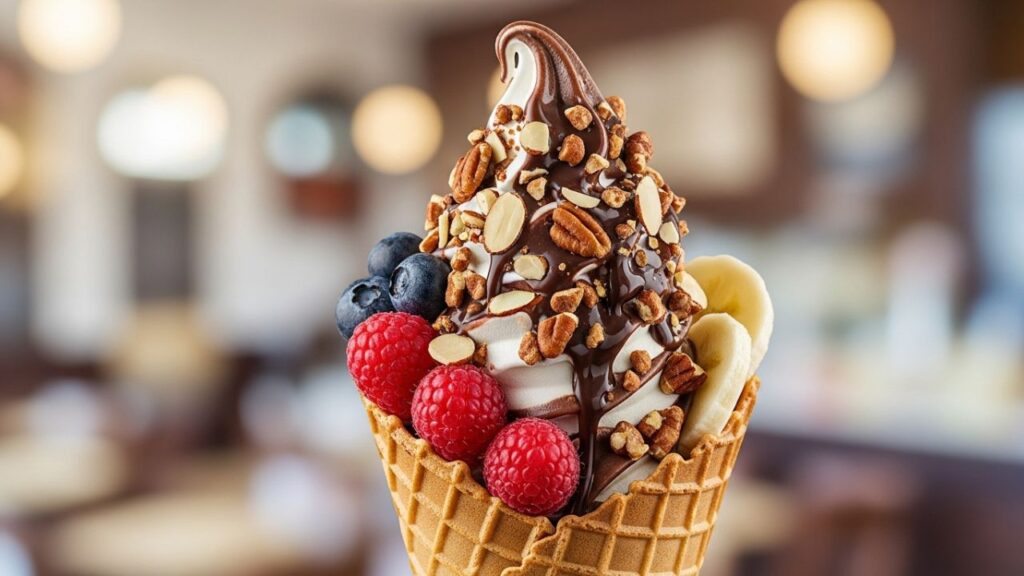
Why Soft Serve Flavors Delight Every Time
Soft serve isn’t just popular for its taste—it’s a well-balanced dessert in several ways.
Flavor Balance
A good soft serve flavor combines:
- Sweetness from sugar
- Creaminess from dairy
- Subtle notes from added flavors (like fruit acidity or cocoa bitterness)
Texture Contrast
The airy consistency is what sets soft serve apart. It feels lighter on the palate while still being indulgent. When paired with crunchy toppings like nuts or wafers, the contrast becomes even more satisfying.
Nutritional Perspective
While soft serve is still a treat, it often contains:
- Less fat than premium ice cream
- Smaller serving sizes
- Opportunities to incorporate fresh fruit
Cooking Techniques
The key techniques involve:
- Controlled churning
- Temperature management
- Proper mixing of ingredients
Everyday Appeal
Soft serve fits easily into everyday life. It can be:
- A quick dessert after meals
- A base for sundaes
- A fun project for home cooks experimenting with flavors
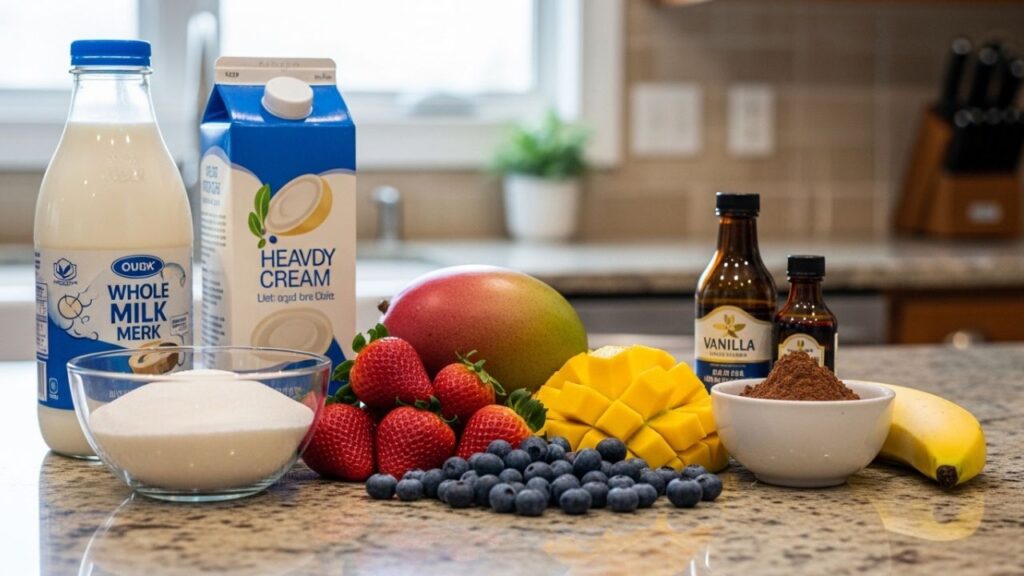
Soft Serve Flavor Essentials
Quality Indicators
When preparing soft serve at home, pay attention to:
- Fresh dairy with a clean smell
- Bright, ripe fruits for natural flavors
- High-quality cocoa or vanilla extract
Ingredient Substitutions
You can easily adapt recipes:
- Use coconut milk for a dairy-free version
- Replace sugar with honey or maple syrup for depth
- Swap cream for yogurt for a tangier profile
Seasonal Considerations for Soft Serve Flavors
- Summer: berries, mango, citrus
- Fall: pumpkin, cinnamon, caramel
- Winter: chocolate, coffee, peppermint
- Spring: strawberry, vanilla, floral notes
Budget-Friendly Alternatives for Soft Serve Flavors
- Frozen fruits instead of fresh
- Powdered flavorings like cocoa
- Homemade syrups instead of store-bought
Soft Serve Flavors: Pantry Staples That Help
Keep these on hand:
- Vanilla extract
- Cornstarch (for thickening)
- Sweetened condensed milk
- Salt (to enhance flavor balance)
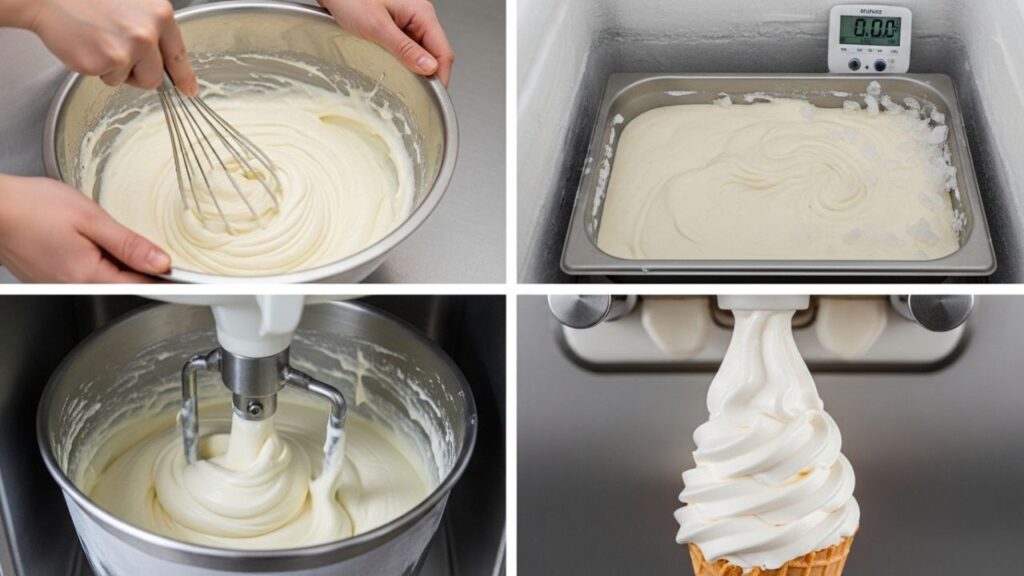
Crafting the Perfect Soft Serve A Flavor Journey
Basic Soft Serve Base
- Prepare the base
Combine milk, cream, sugar, and a pinch of salt in a saucepan. Heat gently until the sugar dissolves. - Thicken slightly
Add a small amount of cornstarch slurry or egg yolk (optional) and cook until slightly thickened. - Cool completely
Let the mixture cool, then refrigerate for at least 2–4 hours. - Add flavoring
Mix in vanilla, cocoa, or fruit purée depending on your chosen flavor. - Churn
Use an ice cream maker or whisk and freeze in intervals to incorporate air. - Serve soft
Serve immediately for that classic soft serve texture.
Soft Serve Flavors: Cooking Time Guidance
- Prep time: 15–20 minutes
- Chill time: 2–4 hours
- Churning: 20–30 minutes
Sensory Cues
- The base should smell lightly sweet and creamy
- The texture should be smooth with no lumps
- Finished soft serve should hold soft peaks
Soft Serve Flavors: Troubleshooting
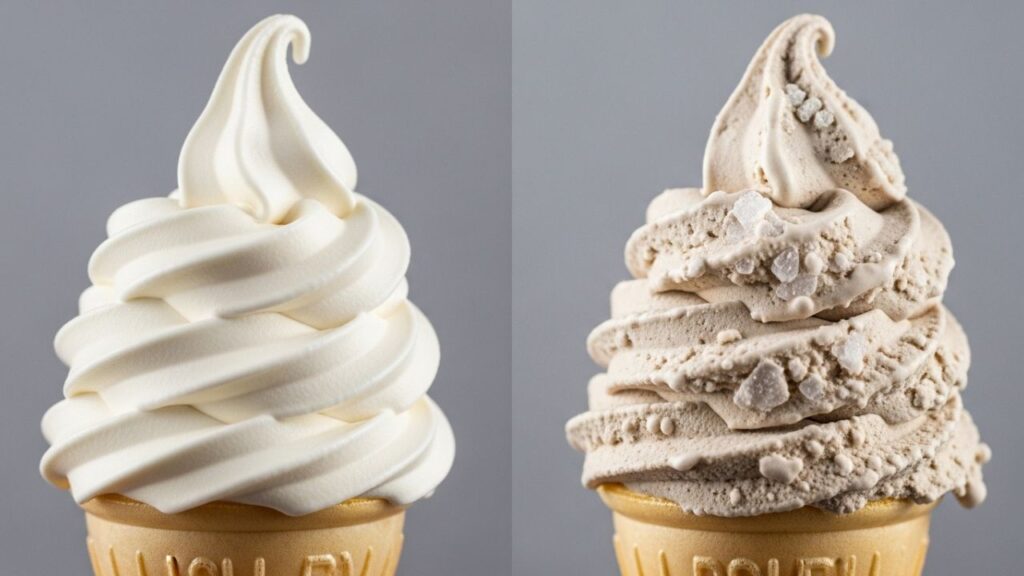
- Too icy: add more fat or sugar
- Too runny: chill longer before churning
- Grainy texture: ensure sugar fully dissolves
Optional Variations
- Swirl two flavors together
- Add crushed cookies or nuts
- Infuse with spices like cinnamon or cardamom
[Image suggestion: Different soft serve flavors in cups with toppings]

Soft Serve Flavors Serving Ideas
Ideal Pairings
Soft serve pairs well with:
- Fresh fruit slices
- Chocolate or caramel sauces
- Light pastries or waffles
Plating Ideas
- Classic swirl in a cone
- Layered in a glass for a sundae
- Served with a drizzle and garnish
For Gatherings
- Set up a DIY topping bar
- Offer 2–3 base flavors for variety
- Use small cups for easy serving
Portion Tips
- Smaller servings are often more satisfying
- Ideal for sharing or tasting multiple flavors
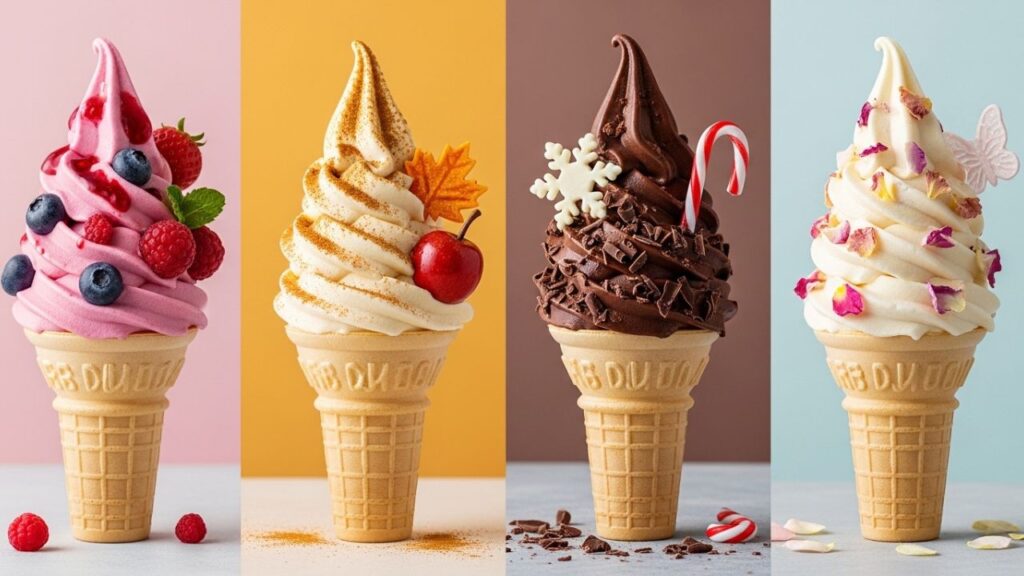
Seasonal & Occasion Soft Serve Inspirations
Spring and Summer
- Mango or strawberry soft serve
- Citrus-infused flavors
- Light, refreshing combinations
Fall and Winter
- Pumpkin spice soft serve
- Chocolate and coffee blends
- Warm toppings like caramel sauce
Holiday Adaptations
- Peppermint for festive occasions
- Spiced vanilla for family gatherings
- Layered desserts for celebrations
Refreshing Leftovers
- Blend into milkshakes
- Freeze into popsicles
- Use as a topping for cakes or brownies
Soft Serve Flavors Storage and Serving Tips
Storage Methods
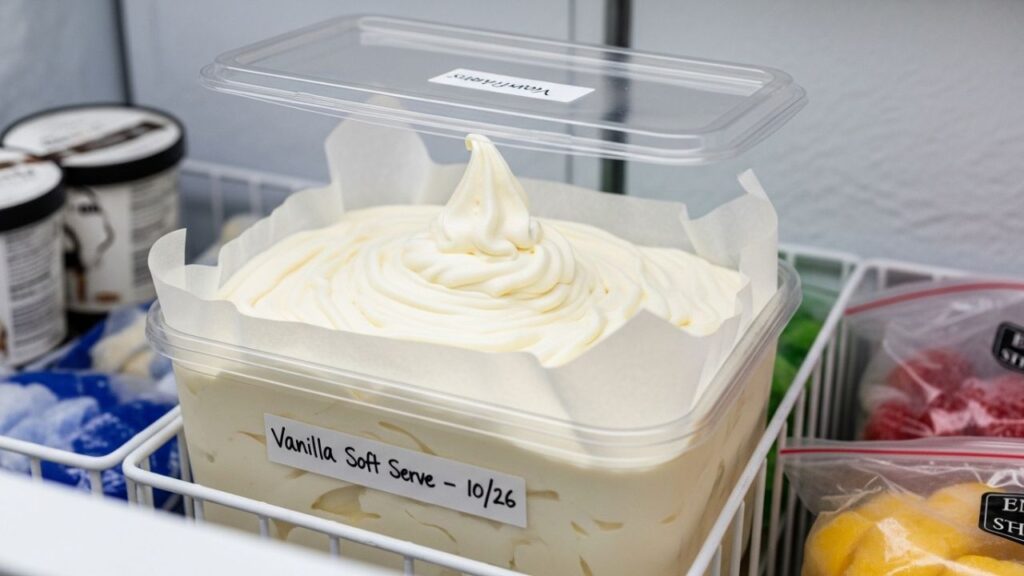
- Store in an airtight container
- Press parchment paper on the surface to prevent ice crystals
Refrigeration and Freezing
- Best stored in the freezer
- Avoid frequent thawing and refreezing
Reheating (Softening)
- Let sit at room temperature for 5–10 minutes before serving
Food Safety
- Keep dairy-based mixtures refrigerated before freezing
- Use clean utensils to avoid contamination
Shelf Life
- Best consumed within 1–2 weeks
- Flavor and texture may decline after that
Soft Serve Flavors Common Mistakes to Avoid
Overmixing
This can lead to a dense texture instead of light and airy soft serve.
Poor Flavor Balance
Too much sugar can overpower subtle flavors. Always taste and adjust.
Skipping Proper Cooling
A warm base won’t churn properly and can affect texture.
Incorrect Ingredient Ratios
Too much liquid leads to iciness; too much fat can feel heavy.
Texture Issues
- Not enough air: results in dense ice cream
- Too much ice: caused by improper freezing
Frequently Asked Questions
1. What makes soft serve different from regular ice cream?
Soft serve is churned with more air and served at a warmer temperature, making it lighter and smoother.
2. Can I make soft serve without a machine?
Yes, you can use a no-churn method by whipping cream and folding it into a sweetened base before freezing.
3. What are the most popular soft serve flavors?
Vanilla, chocolate, and strawberry are classics, but fruit and seasonal flavors are increasingly popular.
4. How do I make fruit-flavored soft serve?
Blend fresh or frozen fruit into a purée and mix it into your base before churning.
5. Why is my soft serve icy instead of creamy?
This usually happens due to low fat content or improper freezing techniques.
6. Can soft serve be made dairy-free?
Yes, coconut milk, almond milk, or oat milk can be used as alternatives.
Conclusion
Soft serve flavors offer a delightful combination of simplicity and creativity. With a basic understanding of ingredients and techniques, it’s easy to craft flavors that suit your taste and the season. Whether you prefer classic vanilla or something more adventurous, the process encourages experimentation and personal touch.
Taking the time to balance texture and flavor can turn a simple dessert into something memorable. In the end, soft serve is less about perfection and more about enjoyment—both in making it and sharing it with others.
About the Author
A passionate home cook and food writer, the author enjoys exploring simple techniques that bring out rich flavors in everyday dishes. With a focus on approachable cooking, they aim to help readers feel more confident in the kitchen. Their recipes and guides are shaped by hands-on experience and a love for thoughtful, well-balanced meals.