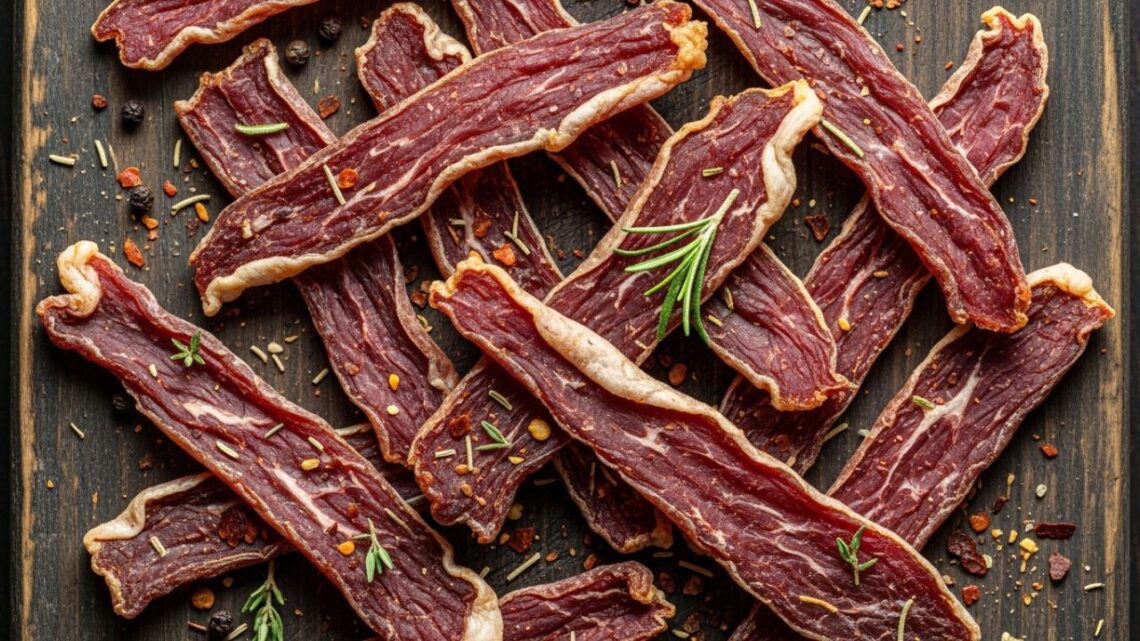
Thin beef jerky is a simple yet flavorful way to preserve beef while creating a satisfying, protein-rich snack. By slicing lean beef into very thin strips, seasoning it with a balanced marinade, and drying it slowly, the meat transforms into a chewy, savory treat that can be enjoyed anytime. The thinness of the slices plays an important role in both texture and flavor, allowing the seasoning to penetrate deeply while helping the meat dry evenly.
Many home cooks appreciate thin beef jerky because it combines practicality with creativity. Once you understand the basics—how to slice the beef properly, how long to marinate it, and how to dry it at the right temperature—you can easily adapt the recipe to suit your taste. Some prefer a smoky flavor, while others enjoy a slightly sweet or peppery finish.
Thin beef jerky is especially popular among hikers, travelers, and anyone looking for a convenient homemade snack. In my kitchen, preparing a batch of homemade thin beef jerky has become a satisfying weekend project. The slow drying process fills the kitchen with a savory aroma, and the final result is far more personal than anything store-bought.
What Is Thin Beef Jerky?
Dried beef that has been cut into narrow strips and seasoned before dehydration. Unlike thicker styles of jerky, it is sliced very finely, which helps it dry faster and develop a tender yet chewy texture.
Key Ingredients for Thin Beef Jerky
Most homemade recipes rely on simple ingredients that enhance the natural flavor of the beef:
- Lean beef cuts such as top round or eye of round
- Soy sauce or salt for seasoning
- A sweet element like brown sugar or honey
- Garlic powder, black pepper, or chili flakes
- Optional ingredients such as vinegar or smoked paprika
Culinary Background
Jerky has been made for centuries in many parts of the world as a method of preserving meat. Long before refrigeration existed, drying meat allowed people to store protein for long journeys or colder months. Thin slicing became common because it helped the meat dry more efficiently.
Flavor Profile of Thin Beef Jerky
Jerky typically has a balanced taste that includes:
- Savory umami from the beef
- Mild sweetness from sugar or honey
- Saltiness from soy sauce or salt
- A hint of spice from pepper or chili
Traditional Preparation of Thin Beef Jerky
The traditional process includes:
- Selecting a lean cut of beef
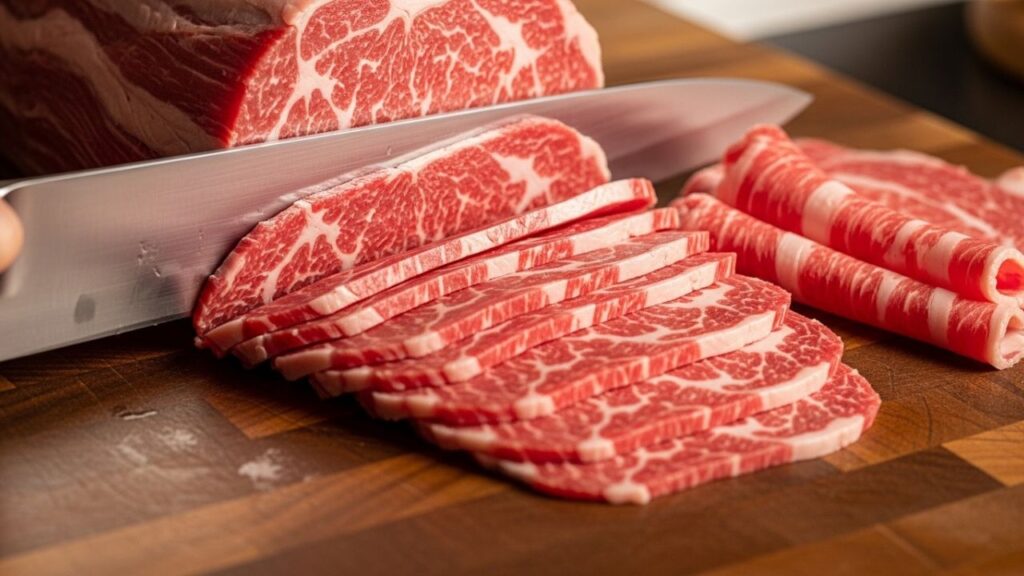
- Slicing the meat thinly across the grain
- Marinating the strips for flavor
- Slowly drying them using heat and airflow
Why Thin Beef Jerky Works So Well
Jerky is popular not only because of its flavor but also because of the practical advantages of thin slicing and slow drying.
Balanced Flavor
A good marinade balances multiple flavors:
Spice from pepper or garlic elements combine to create a layered taste that becomes more concentrated as the meat dries.
Salty elements like soy sauce
Sweet notes from sugar or honey
Savory umami from the beef itself
Ideal Texture
Thin slicing produces a texture that many people prefer. Properly dried thin beef jerky should be:
- Flexible rather than brittle
- Slightly chewy but not tough
- Evenly dried throughout
Nutritional Value of Thin Beef Jerky
Because most of the moisture is removed during drying, jerky becomes a concentrated source of nutrients, including:
- Protein
- Iron
- Zinc
- Vitamin B12
Useful Cooking Techniques for Thin Beef Jerky
Making jerky teaches several useful kitchen skills:
- Knife control for precise slicing
- Marinating for flavor absorption
- Low-temperature drying techniques
Everyday Convenience
Fits easily into daily routines. It works well as:
- A quick snack
- A travel-friendly protein source
- An addition to salads or grain bowls
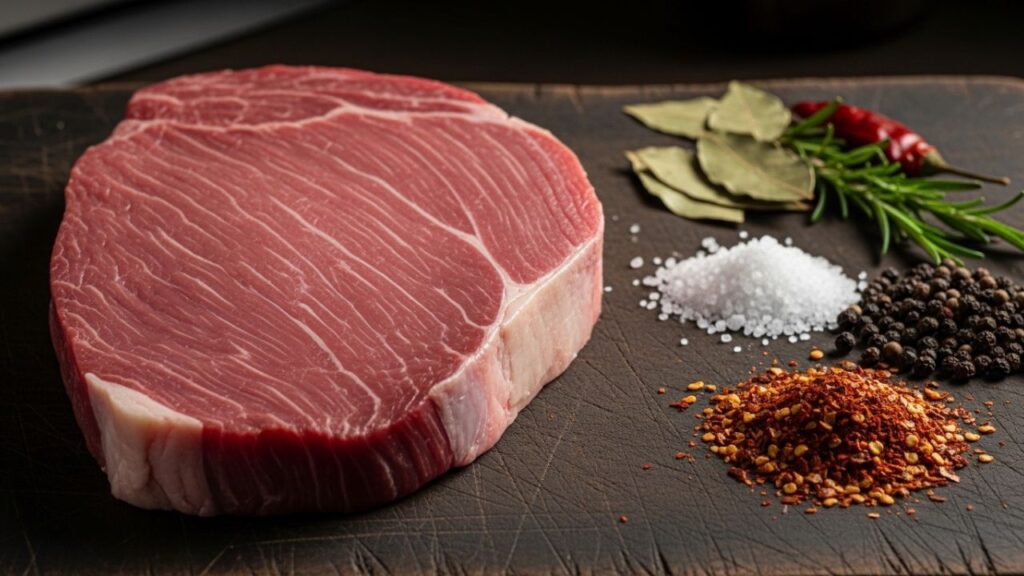
Thin Beef Jerky Flavor Essentials
Choosing the right ingredients is essential for producing high-quality thin beef jerky.
Choosing the Best Beef for Thin Beef Jerky
Lean cuts work best because fat does not dry properly. Good options include:
- Top round
- Eye of round
- Bottom round
- Flank steak
Look for beef that is:
- Bright red in color
- Firm to the touch
- Low in visible fat
How Thin Should Beef Be for Thin Beef Jerky
For best results, slice the meat about ⅛ inch (3 mm) thick.
A helpful trick is to place the beef in the freezer for about 30 minutes before slicing. Slightly firm meat is much easier to cut into thin, even strips.
Marinade Ingredients for Flavorful Thin Beef Jerky
A simple marinade may include:
- Soy sauce
- Brown sugar
- Garlic powder
- Black pepper
- Chili flakes
This combination provides both seasoning and gentle sweetness.
Ingredient Substitutions for Thin Beef Jerky
If certain ingredients are unavailable, you can easily adapt the marinade:
- Tamari instead of soy sauce
- Maple syrup instead of sugar
- Apple cider vinegar instead of rice vinegar
Budget-Friendly Options for Thin Beef Jerky
Less expensive cuts can still produce excellent jerky if trimmed carefully and sliced thinly.
Pantry Staples That Improve Flavor of Thin Beef Jerky
Many home cooks enhance their jerky using:
- Onion powder
- Smoked paprika
- Ground coriander
- Crushed red pepper
Arrange marinated strips evenly for slow drying.

Step-by-Step Cooking Method for Thin Beef Jerky
Making jerky at home requires patience but very little specialized equipment.
1. Slice the Beef
Trim excess fat and slice the beef across the grain into thin strips about ⅛ inch thick.
This slicing direction helps create tender jerky rather than tough strands.
2. Prepare the Marinade
In a bowl, combine:
- ¼ cup soy sauce
- 1 tablespoon brown sugar
- 1 teaspoon garlic powder
- 1 teaspoon black pepper
- ½ teaspoon chili flakes (optional)
Mix well to ensure the flavors are evenly distributed.
3. Marinate
Add the sliced beef to the marinade and coat evenly.
Cover and refrigerate for 6–12 hours. During this time, the beef absorbs the flavors and darkens slightly.
4. Arrange the Beef for Drying
Remove the strips from the marinade and gently pat them dry.
Lay the strips on:
- Dehydrator trays
- Oven racks
- Wire racks placed over baking sheets
Leave space between pieces so air can circulate.
5. Dry
Dry at 145–160°F (63–71°C) for approximately 3–6 hours.
Signs the jerky is ready:
- Dark color
- Dry exterior
- Bends without snapping
Troubleshooting Tips
If the jerky feels sticky, it likely needs more drying time.
If it becomes too hard, the slices may have been too thin or dried at too high a temperature.
Optional Flavor Variations
You can experiment with different marinades such as:
- Teriyaki-style seasoning
- Spicy chili blends
- Light smoky barbecue flavors
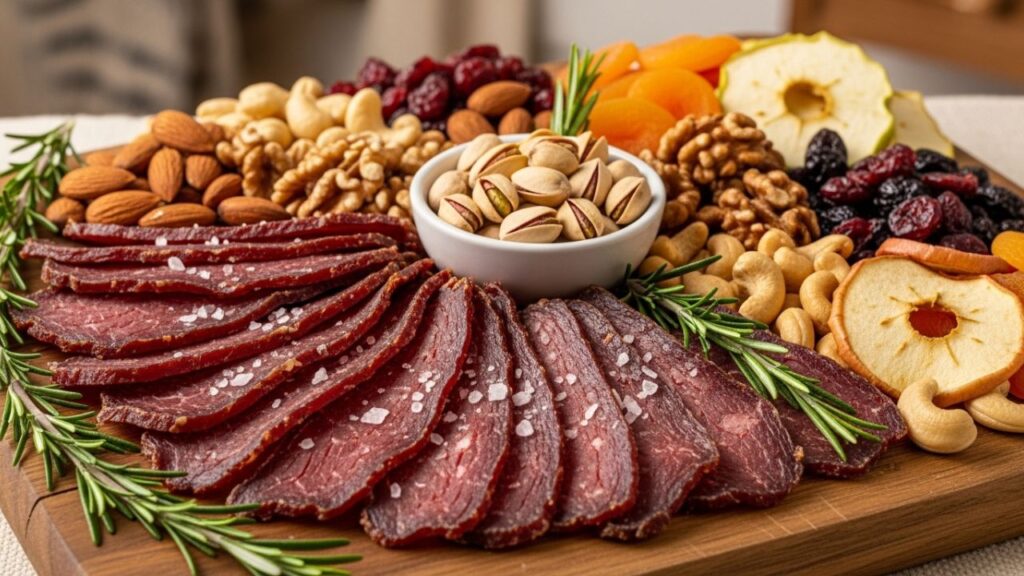
Thin Beef Jerky Serving Ideas
Often enjoyed on its own, but it can also complement other foods
Ideal Pairings
Thin beef jerky pairs well with:
- Roasted nuts
- Dried fruit
- Fresh vegetables
- Simple rice dishes
These combinations balance the saltiness of the jerky.
Plating Ideas
For casual gatherings, arrange jerky on a wooden serving board with:
- Crackers
- Cheese
- Pickles
This creates an easy snack platter.
Serving for Gatherings
Because jerky does not require reheating, it works well for parties or outdoor meals.
Portion Tips for Small Households
A few strips of thin beef jerky can be surprisingly filling due to its concentrated flavor and protein content.

Thin Beef Jerky Flavor Twists for Every Season
Thin beef jerky adapts well to seasonal flavors.
Spring and Summer Versions
For lighter flavors, try adding:
- Citrus zest
- Black pepper
- Mild herbs
Fall and Winter Versions
Richer spice blends work well in colder seasons:
- Smoked paprika
- Chili powder
- Brown sugar and garlic
Holiday Adaptations
Homemade thin beef jerky can be packaged in small jars or paper bags as thoughtful edible gifts.
Refreshing Leftovers
If you have extra thin beef jerky, try:
- Chopping it into salads
- Adding it to fried rice
- Mixing it into scrambled eggs
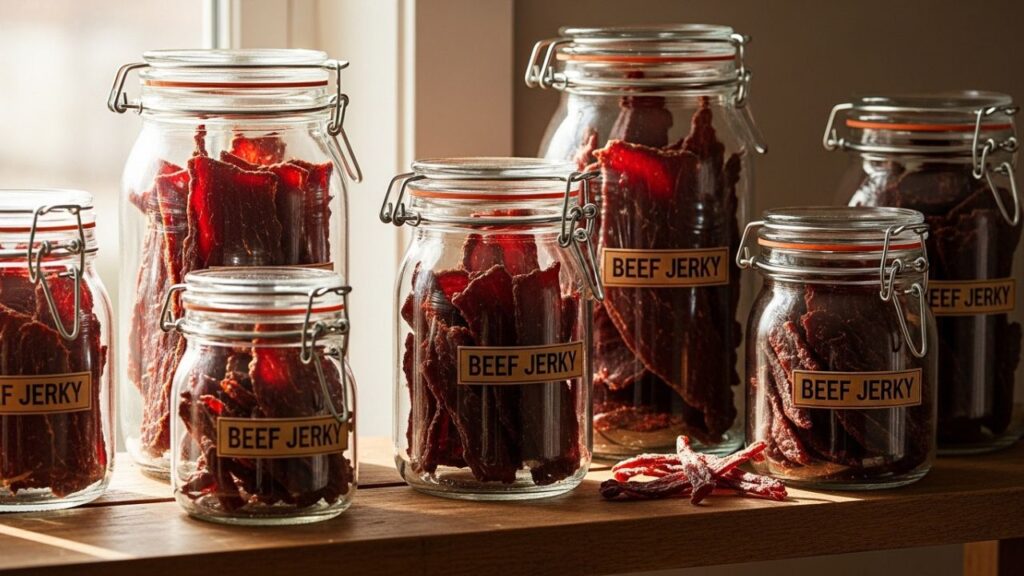
Thin Beef Jerky Storage and Serving Tips
Proper storage helps maintain the quality and safety of homemade jerky.
Room Temperature Storage
Store jerky in airtight containers in a cool, dry place for short-term use.
Refrigeration
Refrigerated jerky can last two to three weeks.
Freezing
For longer storage:
- Place jerky in sealed freezer bags
- Freeze for several months
Food Safety Tips
Make sure the jerky is fully dried before storing it. Any remaining moisture can cause spoilage.
Reheating
Jerky is usually eaten at room temperature, but if refrigerated, allow it to sit out briefly to soften.
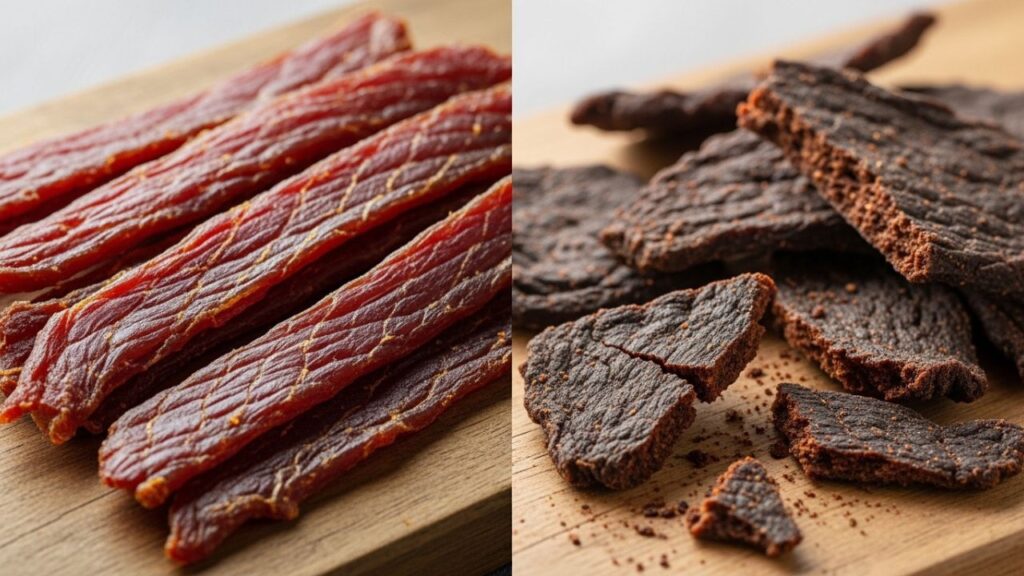
Thin Beef Jerky Common Mistakes to Avoid
1. Cutting the Meat Too Thick
Thick slices prevent proper drying and create uneven texture.
2. Over-Seasoning the Marinade
Because jerky shrinks during drying, strong flavors become more intense.
3. Leaving Too Much Fat
Fat shortens the shelf life of jerky and may cause spoilage.
4. Drying at High Temperatures
High heat cooks the meat instead of slowly drying it.
5. Removing Jerky Too Early
Jerky should feel dry and bend slightly before being removed from the dehydrator.
Frequently Asked Questions
1. Can Beef Jerky Be Made in the Oven?
Yes. Many home cooks prepare jerky in a low-temperature oven with the door slightly open to allow moisture to escape.
2. What Cut of Beef Works Best for Jerky?
Lean cuts such as top round, eye of round, and flank steak are excellent choices.
3. How Long Should Jerky Marinate?
Most recipes recommend marinating the meat for 6–12 hours to absorb flavor fully.
4. How Do You Know When Jerky Is Ready?
Properly dried jerky bends without snapping and shows small cracks when folded.
5. How Long Does Homemade Jerky Last?
When stored properly, it can last two to three weeks in the refrigerator and longer if frozen.
6. Can Jerky Be Made Without Sugar?
Yes. Some recipes omit sweeteners and rely only on salt and spices for flavor.
Conclusion
Making jerky at home is both practical and rewarding. With careful slicing, balanced seasoning, and patient drying, a simple cut of beef can become a flavorful snack that keeps well and travels easily.
The process encourages attention to detail—choosing lean meat, allowing enough time for marinating, and drying the strips slowly until they reach the perfect texture. Once you master the basics, it becomes easy to experiment with different spice blends and flavor combinations.
For many home cooks, jerky becomes more than just a snack. It becomes a small kitchen tradition that celebrates patience, flavor, and the satisfaction of making something truly homemade.
About the Author
The author is a passionate home cook and food writer who enjoys sharing practical cooking techniques and approachable recipes. With a focus on simple ingredients and thoughtful preparation, they aim to help readers create flavorful dishes in their own kitchens. Their writing celebrates everyday cooking and the joy of learning through experience.